
If money was enough to keep employees motivated, no high-paying workplace would struggle with retention. Yet many employees quit due to engagement and culture issues or work-life balance concerns rather than for better pay and benefits.
In 2024, only 16% of employees cited "Pay/Benefits" as their primary reason for leaving. So where did the other 84% go? They left because they felt undervalued, unseen, and stuck. And that's the heart of the problem.
You can pay people to show up. But you can’t pay them to feel connected, inspired, or loyal. True motivation lies in providing growth opportunities, appreciation, flexibility, and purpose. These are the incentives that make people care about what they do rather than simply complete tasks.
In this blog, we’ll explore ideas you can start implementing today to boost motivation, strengthen culture, and keep your best people on your team. So, let’s begin!
What are Non-monetary Incentives?
Non-monetary incentives are any rewards, benefits, or forms of appreciation that motivate employees without putting cash directly in their hands.
It includes rewards and experiences that don't involve direct cash payments, such as public recognition, flexible work schedules, extra time off, learning and development opportunities, meaningful projects, wellness programs, and career growth. They may not add to an employee's paycheck, but they can have a lasting impact on motivation, engagement, and loyalty.

Podcast · The Science of Employee Recognition
Why does recognition move people more than money? A deep dive into the psychology of recognition and its impact on well-being, motivation, and engagement.
— with Saurabh Deshpande, Director, CoE – People and Culture, Vantage Circle
Listen to the EpisodeWhat are the Benefits of Non-monetary Incentives?
Don't get me wrong, people deserve to be paid fairly. But once compensation is competitive, what keeps employees engaged often has less to do with their paycheck and more to do with how they feel at work. Do they feel appreciated? Do they have room to grow? Does their manager notice their effort?
That's where non-monetary rewards make a difference. They strengthen engagement, improve retention, and create the kind of workplace people want to be part of. Let's look at why.
They Address Why People Actually Leave
Ask people why they left a job, and you'll rarely hear, "I just wanted another bonus."
More often, it's because they didn't feel valued. They couldn't see a future for themselves. They felt invisible, overlooked, or burned out. That's why recognition, career development, flexibility, and meaningful feedback have such a powerful impact. They address the reasons people leave long before they start updating their résumé.
They Are More Sustainable Than Cash
Cash rewards are exciting but only for a while. And that's human nature.
Non-monetary rewards work differently. A thoughtful thank-you from a manager. An opportunity to lead a high-profile project. An extra day off after a demanding quarter. These moments don't become part of someone's salary but they become part of how they remember working for your company.
They Compound Socially
One of the biggest advantages of non-monetary rewards is that they're often visible.
When a teammate is recognized for helping a customer, mentoring a new hire, or living a company value, everyone notices. Recognition becomes more than appreciation, it becomes a signal. It tells employees, what success looks like.
They Are Accessible at Every Budget Level
One of the biggest myths about recognition is that it has to be expensive. It doesn't.
A sincere thank-you. A public shout-out. Flexible hours after a demanding project. A chance to attend a conference or lead an important initiative. None of these require a large budget, but all of them can make someone feel genuinely valued.
In fact, the organizations that weather tough economic times best are often the ones that never relied on money alone. They built a culture where appreciation was part of everyday work, not something reserved for years when the budget was bigger.
Vantage Circle's AIRe research backs this up: workplaces with strong recognition cultures retain 92% of their employees, compared with 76% where recognition is weak.
Monetary vs. Non-Monetary Incentives: What's the Difference?
25 Non-monetary Incentives for Your Employees
Flexibility-Based Incentives
1. Flexible Work Hours
Flexibility
Best For: Employees managing caregiving responsibilities, long commutes, or who hit peak productivity outside traditional 9-5 hours.
Why It Works: Autonomy over time boosts intrinsic motivation and reduces stress. It makes employees feel trusted rather than micromanaged.
Caution: Avoid blurry boundaries by setting a few core hours when everyone should be available. It keeps things simple and helps the whole team stay aligned.
2. Remote or Hybrid Work Options
Flexibility
Best For: Knowledge workers whose output doesn’t depend on physical presence
Why It Works: Location flexibility is one of the strongest drivers of job satisfaction. It gives employees control over their environment, eliminates draining commutes, and supports better work-life integration.
Caution: Don’t let remote employees become invisible. Create intentional communication rituals like weekly video syncs, one-on-one meetings or virtual coffee chats, so remote employees don't fade into the background.
3. Compressed Workweeks
Flexibility
Best For: Teams with predictable workloads and roles that allow for independent task completion
Why It Works: Compressed schedules offer extended rest periods that help employees recharge deeply, reducing burnout while maintaining full-time productivity.
Caution: This works best for roles that don't require daily coverage. Map out schedules carefully to avoid gaps in availability.
4. No-Meeting Fridays
Flexibility
Best For: Teams drowning in meetings who need protected time for deep work.
Why It Works: Reduces cognitive load and gives employees breathing space to work creatively and efficiently.
Caution: Leadership must model this boundary. If executives schedule Friday meetings anyway, the policy loses all credibility.
Recognition & Appreciation
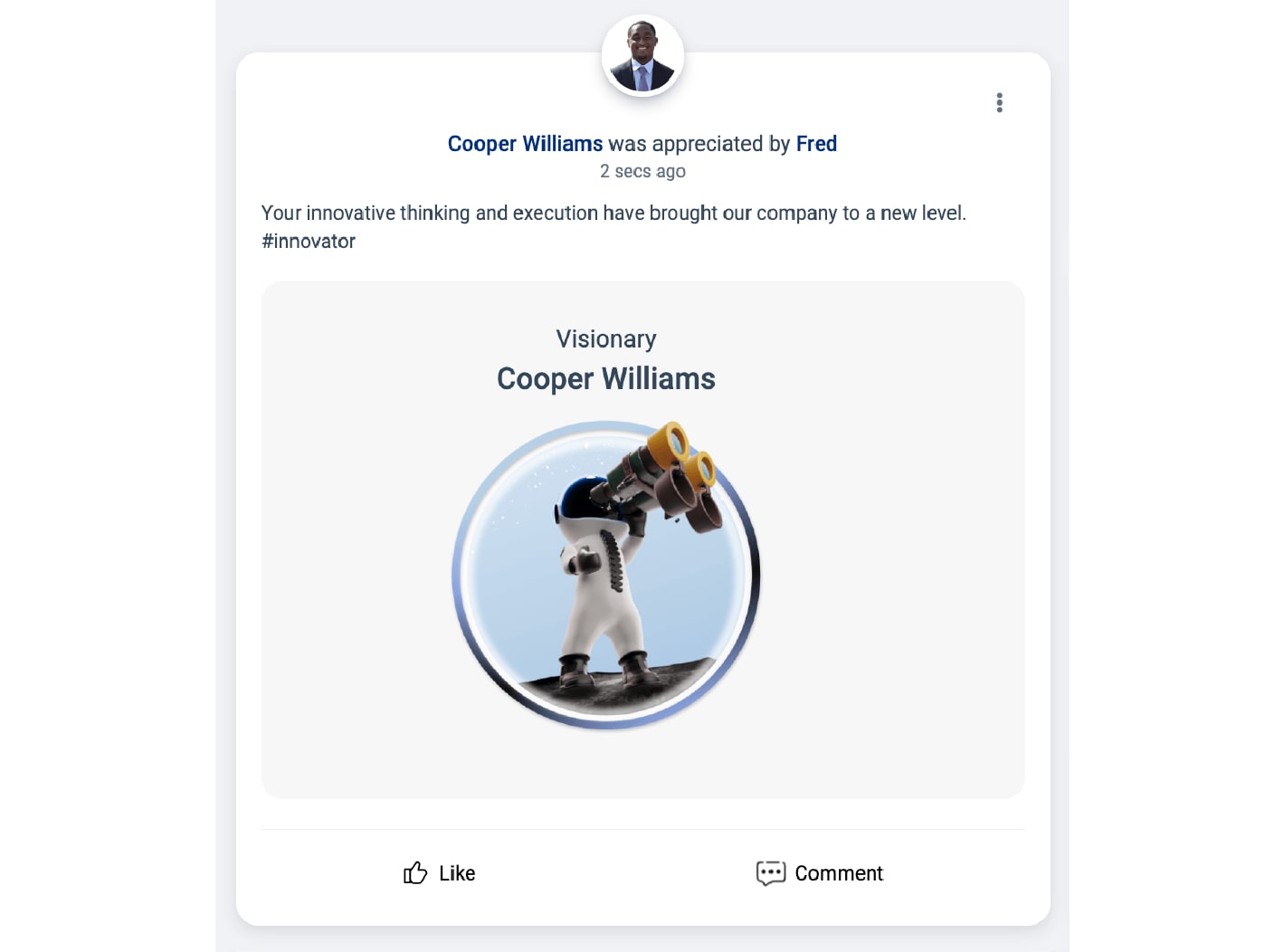
5. Peer-to-Peer Shoutouts
Recognition
Best For: Collaborative teams where contributions are often peer-facing. Remote and hybrid teams also benefit hugely because P2P recognition fills the “visibility gap” and keeps people connected.
Why It Works: Recognition from colleagues can be more meaningful than praise from a manager. It's frequent, specific, and builds a culture where appreciation flows naturally in all directions.
Caution: Avoid turning shoutouts into popularity contests. Try to highlight impact, not personality.
Source: Vantage Recognition
6. Spotlight Stories in Internal Newsletters
Recognition
Best For: Employees doing behind-the-scenes or invisible work.
Why It Works: Storytelling validates effort, builds respect across teams, and reinforces cultural values.
Caution: Keep it authentic. Overly polished features feel corporate and insincere. Let the person's voice and real contribution shine through.
7. Thank-You Videos from Leaders
Recognition
Best For: Employees who crave personal connection with leadership and want to feel seen at the top.
Why It Works: A 60-second video from a leader creates emotional resonance that a text message never will. It's personal, memorable, and signals that someone important noticed.
Caution: Be specific. Generic "great job team" videos don't land. Name the person, describe what they did, and explain why it mattered.
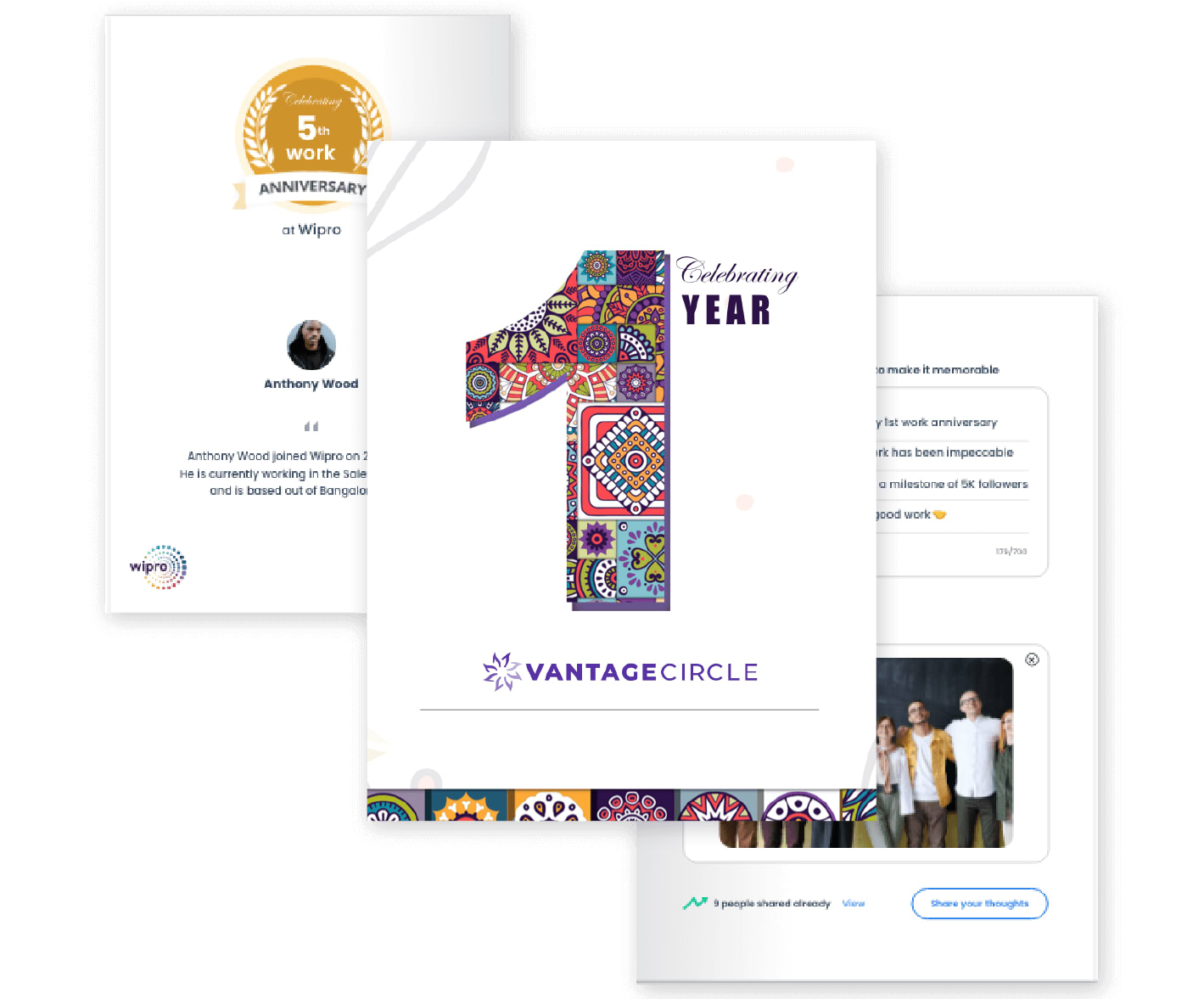
8. Service Milestone Awards
Recognition
Best For: Employees who’ve been with the company for several years and appreciate recognition that honors their commitment and the role they’ve played in shaping the team.
Why It Works: Hitting a service milestone shouldn’t end with a standard plaque. It should feel more meaningful because sharing someone's journey, impact, and growth creates meaning that outlasts any physical gift.
Caution: Ditch the template certificate. Invite peers to share real memories, and pair it with a milestone catalog so they can choose a reward that feels meaningful to them.
Source: Vantage Recognition
Growth & Development
9. Learning Time Allowance
Growth
Best For: Employees eager to upskill but are buried under daily work demands.
Why It Works: When learning is part of the job and not an after-hours burden, it signals that growth isn't just tolerated, it's expected. This improves retention and keeps skills sharp.
Caution: Tie learning to relevant skills or career goals to prevent it from devolving into aimless browsing.
10. Mentorship Programs
Growth
Best For: Employees seeking guidance and cross-team learning.
Why It Works: Mentorship creates powerful relationships that transfer knowledge, build confidence, and help people navigate challenges they'd otherwise face alone. It benefits both mentor and mentee.
Caution: Keep groups small to maintain depth and accountability. Provide frameworks, suggested meeting cadences, and clear goals so mentorship doesn't fizzle out after one coffee chat.
11. Skill-Building Showcases
Growth
Best For: Teams focused on innovation and building strong learning culture.
Why It Works: When employees learn something new and then teach it to others, they develop deeper mastery and psychological ownership of their growth. It also spreads knowledge organically across the team.
Caution: Make it a safe space. This isn't about performance or showing off, it's about sharing openly, including failures and lessons learned.
Purpose, Belonging & Impact
12. Volunteer Time Off (VTO)
Purpose
Best For: Employees who are passionate about community service and want their work to connect to something bigger than quarterly targets.
Why It Works: Aligning work with personal values creates meaning and pride. When companies support causes employees care about, it strengthens the emotional bond with the organization.
Caution: Offer choices. Forcing everyone to volunteer for the same corporate-selected cause can feel tone-deaf. Let employees choose what matters to them.
13. Culture Ambassador Roles
Belonging
Best For: Employees excited about shaping workplace culture.
Why It Works: Involving employees in culture-building creates shared ownership and deeper engagement.
Caution: Give them real scope and support. Don’t overload them. Instead, provide the budget, time, and backing from leadership to make the role meaningful.
14. Employee-Led Clubs & Communities
Belonging
Best For: Building organic social connection across teams.
Why It Works: Shared interests such as book clubs, running groups or game nights, create belonging beyond job roles. These relationships make people want to stay.
Caution: Provide support but don't over-structure it. The magic is in employee ownership and authenticity.
Health & Wellness
15. Mental Health Days (No Questions Asked)
Wellness
Best For: High-stress roles or teams recovering from intense projects.
Why It Works: Normalizing mental health or rest days reduces burnout and creates a culture where taking care of yourself isn't seen as weakness.
Caution: If employees feel guilty or face subtle pressure not to use these days, the policy becomes performative.
16. Quiet Rooms for Recharge
Wellness
Best For: Neurodiverse employees or anyone needing quick breaks from overstimulation.
Why It Works: Not everyone recharges by socializing. A dedicated quiet space reduces cognitive overload, improves focus, and supports emotional regulation.
Caution: Keep the space purpose-driven. These aren't hangout spots or phone call rooms; they're for genuine decompression.
17. Guided Mindfulness Sessions
Wellness
Best For: Teams experiencing high pressure or major transitions.
Why It Works: Mindfulness reduces stress, increases presence, and improves decision-making. Even 10 minutes can shift the energy of a difficult day.
Caution: Keep it optional. Forced mindfulness defeats the entire point and can breed resentment.
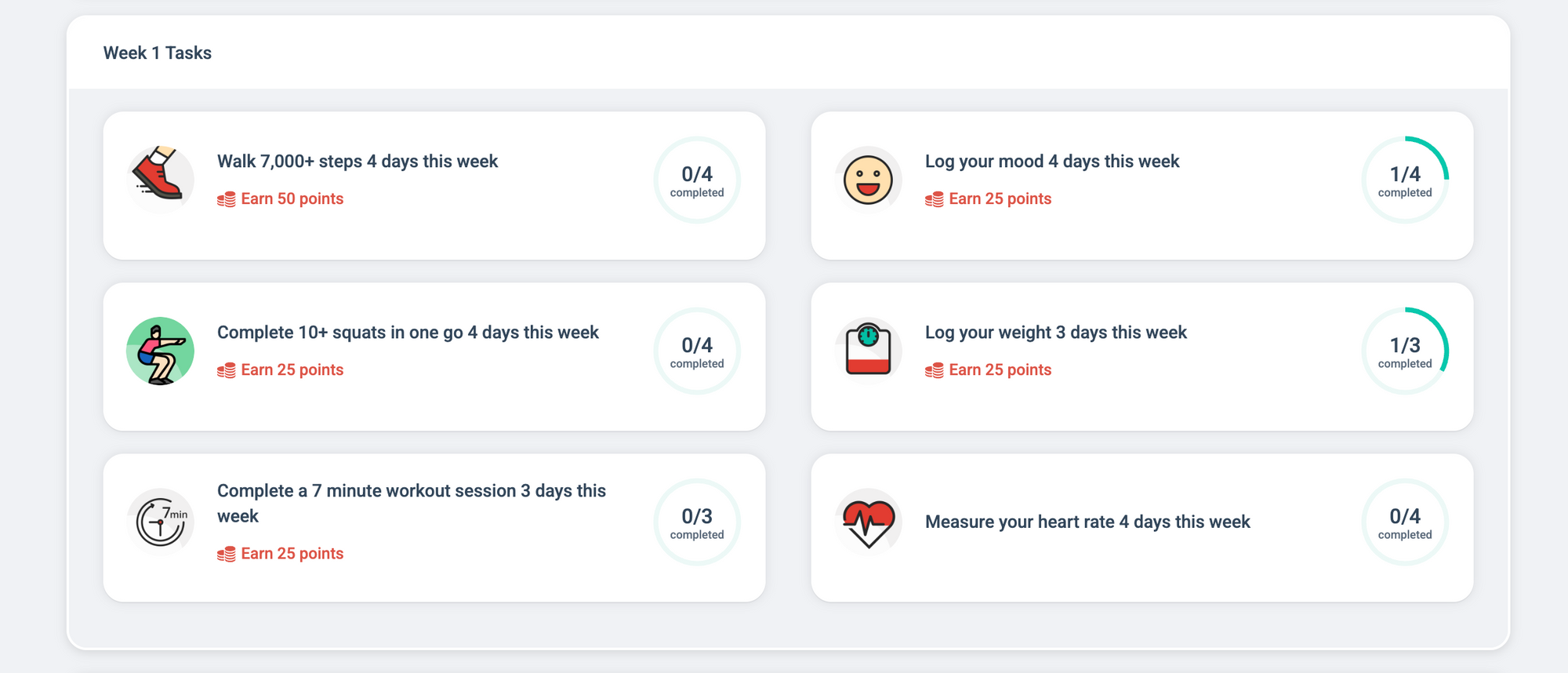
18. Healthy Habit Challenges
Wellness
Best For: Teams who enjoy gamification and friendly competition and group accountability.
Why It Works: Collective wellness goals such as step challenges or hydration tracking build camaraderie and positive behavior change.
Caution: Avoid weight-focused or gym challenges. Rather focus on universal habits like movement, hydration, or gratitude.
Source: Vantage Fit
Autonomy & Ownership
19. Passion Projects or Innovation Time
Autonomy
Best For: Curious, self-driven employees who have ideas beyond their job description.
Why It Works: Dedicating a few hours a week to self-chosen projects signals deep trust. Employees get to explore ideas they genuinely care about, and organizations often gain unexpected innovations, tools, and process improvements in return.
Caution: Protect the time. If innovation hours are the first thing sacrificed to deadlines, employees will stop believing the offer is real.
20. Ownership of High-Visibility Projects
Autonomy
Best For: High performers who are ready to stretch but haven't yet had the chance to lead.
Why It Works: Being handed a project that matters, with real decision-making authority, is one of the strongest votes of confidence a manager can give. It builds leadership skills and makes employees feel their growth is being actively invested in.
Caution: Don't hand over the project and disappear. Stay available as a sounding board so ownership feels empowering, not like being set up to fail.
21. Choice of Tools and Workspace Setup
Autonomy
Best For: Employees who spend long hours at their desk and have strong preferences about how they work best.
Why It Works: Letting people choose their equipment, software, or desk setup removes daily friction and shows the company cares about their comfort and productivity, not just uniformity.
Caution: Set clear guidelines and a reasonable range of options so choices stay practical and IT-supportable.
Time Off & Experiences
22. Sabbaticals for Long-Tenured Employees
Time Off
Best For: Employees with five or more years of service who need deep rest or time to pursue personal goals.
Why It Works: An extended break to travel, study, volunteer, or simply recharge rewards loyalty in a way a plaque never can. Employees return with fresh energy and perspective, and the organization keeps institutional knowledge it would otherwise lose to burnout.
Caution: Plan coverage well in advance and guarantee the employee's role on return. A sabbatical that creates anxiety about job security defeats its purpose.
23. Birthday and Work Anniversary Days Off
Time Off
Best For: Any team. It's a simple, universal gesture that works across roles and levels.
Why It Works: A day off on a personally meaningful date says the company sees the person, not just the employee. It costs almost nothing to administer, yet people remember it and talk about it.
Caution: Make it automatic rather than something employees must request. Having to ask for your own birthday off strips away the feeling of being celebrated.
24. Lunch or Coffee with Senior Leadership
Experience
Best For: Employees who rarely get face time with decision-makers, especially in larger or distributed organizations.
Why It Works: Informal access to leadership makes employees feel heard at the highest level. It humanizes executives, surfaces ground-level insights leaders wouldn't otherwise hear, and often becomes a career-defining conversation.
Caution: Keep it a genuine two-way conversation. If it turns into a status update or a lecture, the reward becomes an obligation.
25. Conference and Industry Event Passes
Experience
Best For: Employees hungry for external learning, networking, and exposure to where their industry is heading.
Why It Works: Sending someone to a conference combines recognition, growth, and trust in one gesture. Employees return with new ideas, new contacts, and renewed enthusiasm, and sharing what they learned multiplies the value across the team.
Caution: Rotate the opportunity fairly. If the same few people attend every event, the incentive breeds resentment instead of motivation.
Conclusion
At the end of the day, the incentives that actually move people aren’t flashy or pricey. At times we seem to forget that workplaces are not machines made of KPIs and job descriptions. They are ecosystems made of people. People who want to feel valued.
And when people feel trusted, challenged, appreciated, and supported, their motivation isn’t something leaders have to chase; it naturally rises to meet the work. And when that emotional connection is missing, no bonus or salary bump can fill the void for long.
FAQs
1. What are Non-monetary Incentives?
Non-monetary incentives are rewards that motivate employees without a direct cash payout.
2. What is an Example of a Non-monetary Benefit?
Flexible working hours are one of the most common and most valued non-monetary benefits. Other examples include remote work options, extra paid time off etc.
3. What are Examples of Monetary Incentives?
Monetary incentives include salary raises, performance bonuses, commissions, profit sharing, stock options, and gift cards.
4. Do Incentives have to be Monetary?
Incentives do not have to be monetary, and research suggests non-monetary incentives are often more effective per dollar spent. Recognition, flexibility, growth opportunities, and meaningful work all function as powerful incentives.
5. What are the 4 Types of Incentives?
Incentives are commonly grouped into four types. They are financial (cash-based rewards), non-financial (recognition and status), social (belonging and peer appreciation), and developmental (growth and learning opportunities).

Shikha Gogoi is a Content Marketing Specialist focused on SEO-driven content around employee engagement, recognition, and workplace culture, helping build people-first workplaces.
Connect with Shikha on LinkedIn.