
Nobody calls customer service to say things are going great. Eight hours a day of absorbing other people's worst moments, then doing it again tomorrow. Customer service is one of the hardest jobs to stay motivated in, and burnout and turnover in the function run higher than almost anywhere else in the company.
Nearly 70% of customer service workers report feeling emotionally drained after a typical workday. This is an alarming statistics that should concern every C-suite across America.
Which is why it is crucial that you build a well-designed, empathetic recognition and reward strategy that doesn’t just lift morale but creates a clear link between individual effort and business outcomes. What these employees truly need is recognition that’s intentional, impactful, and grounded in empathy.
In this blog, we’ll go beyond surface-level gestures. We’ll break down practical employee recognition ideas and show how to align them with measurable business outcomes. You’ll also discover how to build a culture where frontline talent feels truly valued.
What is Recognition in Customer Service?
Recognition in customer service is all about appreciating employees for creating great customer experiences. It celebrates everyday actions like solving problems quickly, showing empathy, going the extra mile, and making customers feel heard.
Richard Branson, co-founder of the Virgin Group put the underlying logic bluntly:
Clients do not come first. Employees come first. If you take care of your employees, they will take care of the clients.
But recognizing customer service employees isn't the same as recognizing every other role. It should reward the save, not just the score. Celebrate the agent who calmed an angry customer, helped a teammate during a busy shift, or handled a tough situation with patience. And most importantly, do it quickly. In a fast-moving customer service environment, a thank-you given weeks later loses much of its impact.
Why R&R Matters More Than Ever in Customer Service?

Customer service roles demand an extraordinary level of emotional labor that often goes unrecognized. Your agents don't just solve problems; they maintain composure while processing the emotional weight of dozens of difficult interactions each day.
Since, the landscape of customer service has fundamentally shifted. Your agents aren't simply answering phone calls anymore. They're mastering multiple communication channels simultaneously, interpreting customer emotions through fragmented chat messages, managing sophisticated CRM systems, and de-escalating heated situations.
This emotional regulation is mentally exhausting work. Unlike other roles where output is easily measured in tangible deliverables, customer service success requires constant emotional management, cultural sensitivity, and psychological resilience.
Given these realities, recognition can't remain a monthly afterthought or annual performance review. It needs to become an integral part of your daily routine.
Moreover, recognition directly correlates with retention rates, particularly in customer service where industry turnover often exceeds 75% annually. Teams with robust recognition programs report 31% lower voluntary turnover and 12% higher customer satisfaction scores.
What Does Effective Recognition Look Like in CS?
Before rolling out an R&R program, it’s crucial to understand that recognition and reward, though often used interchangeably, play distinct roles in motivating employees.
Rewards are tangible such as gift cards, bonuses, branded swag, or even a day off. These tokens provide immediate, material value and work well to mark significant milestones or exceptional achievements. Recognition on the other hand is intangible such as heartfelt appreciation of someone’s effort, behavior, or impact. It often carries far more weight in the long term.
However, the most impactful programs don’t rely solely on one or the other. Instead, they treat recognition as the foundation, with rewards strategically layered in to amplify key moments.
For instance, a support rep might receive a public shoutout for de-escalating a negative customer experience that turned into a glowing review. That same rep might also earn an experiential reward, say, concert tickets or an extra day off for going above and beyond.

Vantage Influencers Podcast
"What's happening on the inside of an organization is felt on the outside by the customer."
Shep Hyken, Customer Service & Experience Expert
Listen to the EpisodeAIRe Framework for Customer Service Recognition
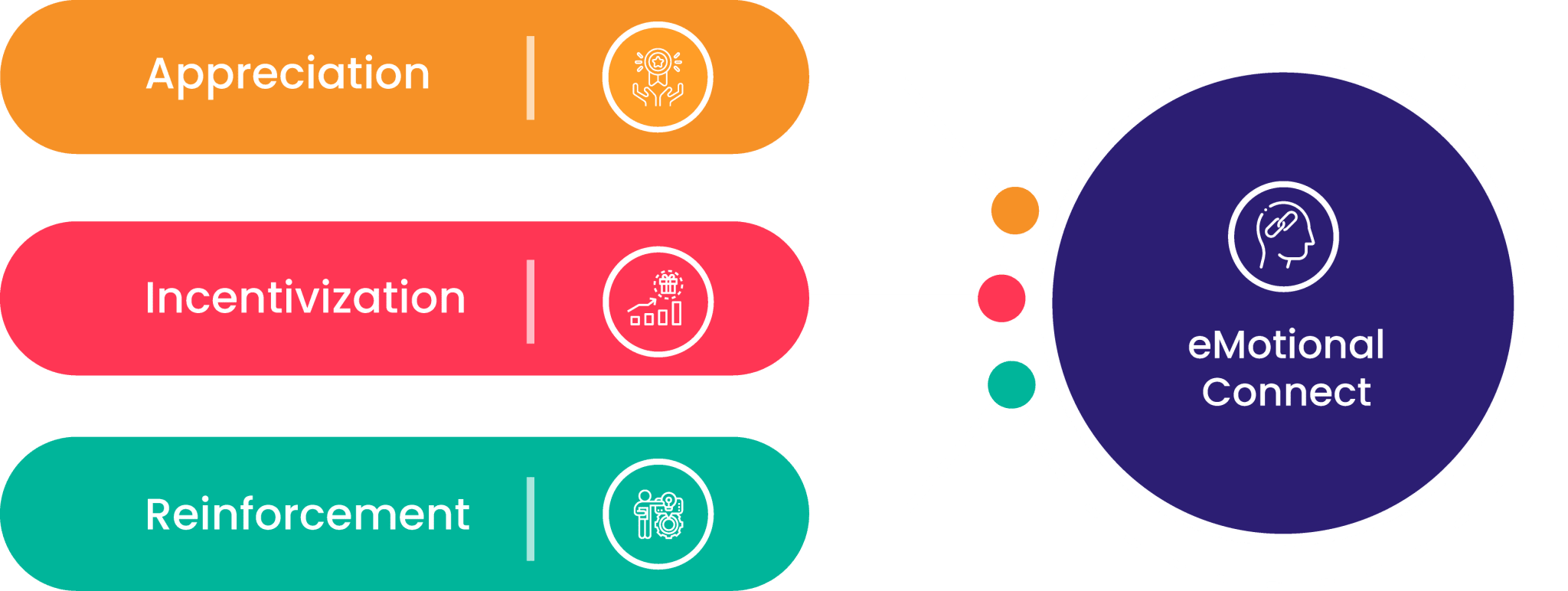
Great customer service recognition isn't just about handing out rewards. It should make employees feel valued, encourage the right behaviors, reinforce good habits, and build a genuine connection with the people doing the work. That's exactly what the AIRe Framework is designed to do.
Developed by Vantage Circle, AIRe is built on four pillars: Appreciation, Incentivization, Reinforcement, and Emotional Connect. Together, they help create recognition programs that are balanced and effective.
In fact, according to the Vantage Circle AIRe Report (US, 2023–24), recognition rooted in this framework significantly improves performance outcomes and retention, especially in high-pressure environments like customer service.
Appreciation
In customer service, not every great interaction ends with a perfect CSAT score. Sometimes an employee handles a difficult customer with patience, supports a teammate during a hectic shift, or gives their best in a situation they can't control. Those moments deserve recognition too. Appreciate the effort, not just the outcome.
Incentivization
Incentives give employees something tangible to work toward, but they should reward the right things. Instead of recognizing only speed or ticket volume, celebrate behaviors like solving problems effectively, helping teammates, handling escalations calmly, or creating memorable customer experiences. Employees naturally repeat the behaviors you choose to reward.
Reinforcement
Recognition has the biggest impact when it's consistent. A single shout-out is encouraging, but regular recognition builds lasting habits. Whether it's weekly appreciation posts, monthly service awards, or quarterly team celebrations, a steady rhythm of recognition reminds employees that great service is always noticed, not just during performance reviews.
Emotional Connect
Customer service is emotionally demanding, and employees want to know their work matters. Emotional Connect is about making people feel seen, valued, and appreciated beyond their numbers. A public thank-you, a heartfelt message from a manager, or recognition from peers can have a lasting impact because it acknowledges the human behind the headset. Rewards recognize results, but emotional connection recognizes the person.
12 Customer Service Reward and Recognition Ideas
1. Shoutouts in Team Standups
Kick things off by recognizing one standout contribution from the day before. This action can rewire the team’s mindset by building a company culture that regularly spotlights small wins. It sets the tone to, “What we do here matters. And so do the people doing it.”
And the best part? It costs nothing, takes a few minutes but creates a ripple effect of motivation. So next time you're leading a standup, start with this simple gesture and watch the energy shift.
2. Customer Kudos Wall
Customer service is emotional labor, and it often goes unnoticed. So why not make praise visible and lasting?
You can build a digital or physical space where customer compliments, positive reviews, and thank-you messages are prominently displayed with the agent's name. When customers specifically mention an agent's helpfulness, post it immediately. This tangible proof of impact validates the emotional labor that often goes unrecognized.
Moreover, it also acts like a morale booster. Seeing their names celebrated in public spaces helps agents feel seen, heard, and valued. Plus, it’s a living, breathing reminder that great service leaves a mark.
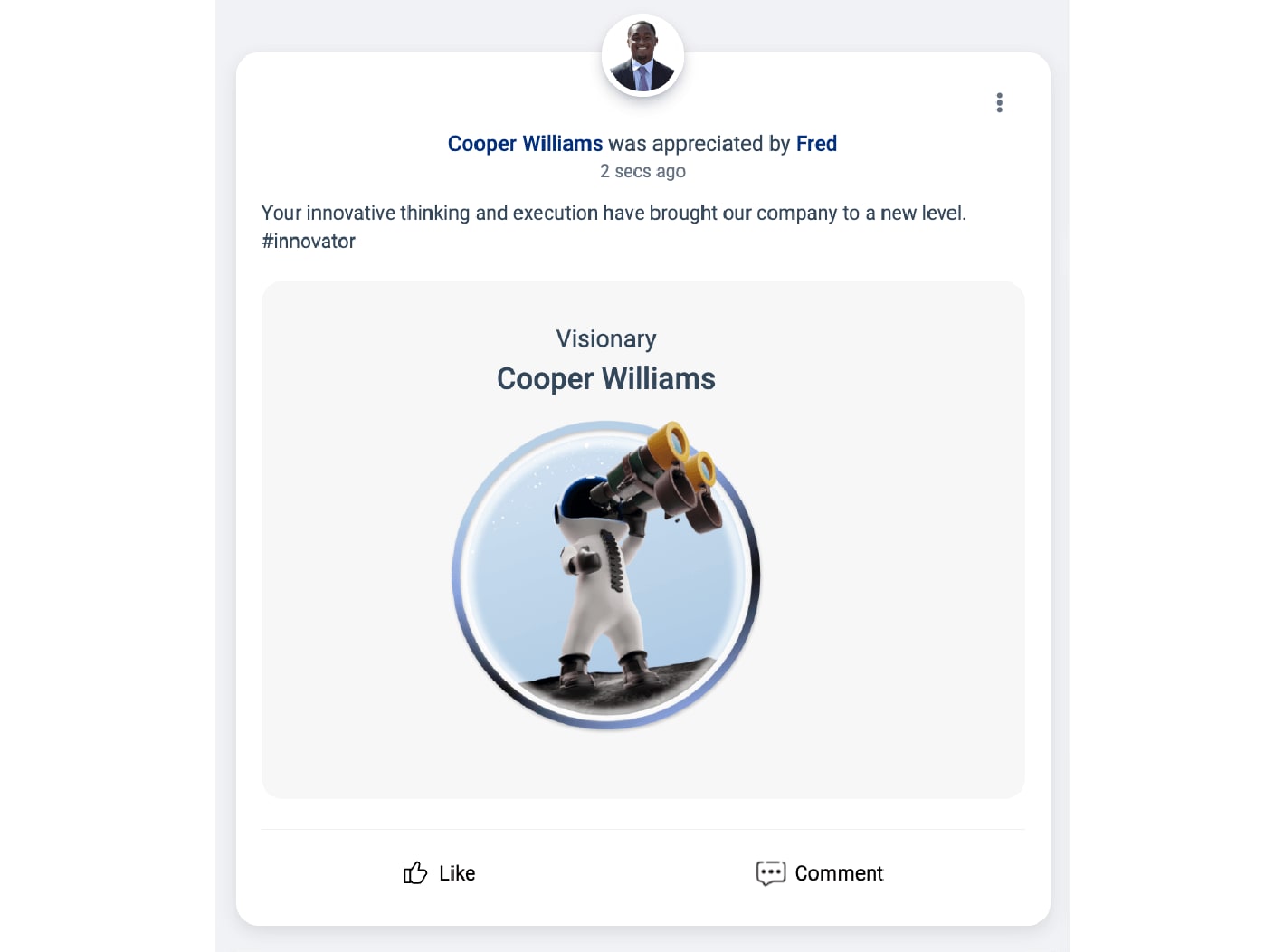
3. Peer-to-peer Recognition
Sometimes, the people who notice your hard work aren’t your managers, they’re right beside you. Peer to peer recognition is one of the most powerful ways to build trust among team members. Set up a system where agents can recognize their coworkers for things like stepping in on a tricky case, finding a faster workaround, or just being a rockstar teammate.
Source: Vantage Recognition
While leadership praise is important, it's these organic, ground-level acknowledgments that truly reflect team dynamics. It picks up on the moments that top-down recognition often overlooks.
4. Instant thank-you Videos from Leadership
Imagine resolving a tense, escalated customer issue, only to find a short video from your VP in your inbox the next morning. “Hey Jordan, I heard how you handled that tough call yesterday. That level of empathy and composure? That’s what keeps our customers coming back. Thank you.”
Such instant video shoutouts from leaders are a powerful way to show frontline agents that their work is valued at the highest level. Whether shared in a team channel or sent privately, these messages often get replayed, saved, and even shown to family. Why? Because when recognition comes from the top, it sticks.
In fact, a recent Gallup workplace survey found that 24% of employees said their most memorable recognition came from a high-level leader or CEO.
5. Flex-scheduling as Recognition
Work-life balance is currency, especially in customer service where energy can wear thin. Giving top performers flexible scheduling perks, like first dibs on shift selections, the freedom to swap shifts without the usual red tape, or an extra remote day can be a game-changer. These gestures cost nothing, but they speak volumes.
6. "Agent of the Month" Spotlight
Make recognition more than a title, make it a story worth telling. You can turn your Agent of the Month feature into a moment of personal pride.
Spotlight the winner in internal newsletters or company communications with their photo, a snapshot of their impact, and a quick Q&A about their approach to customer care. You can even include their favorite customer success story and personal interests to inspire others.
Recognition like this turns standout agents into internal role models. It’s authentic, relatable, and inspiring. And when done right, it encourages others to raise their game, not for the title, but for the culture it builds.
7. Skill-Based Recognition Badges
Want to build a culture of growth? Make skills visible. Introduce digital recognition badges tied to real competencies. Think "De-escalation Expert," "Technical Troubleshooter," or "Customer Retention Champion."
You can display these badges on internal dashboards or agent profiles. It creates friendly competition, encourages learning, and helps agents own their professional development path. Moreover, it’s a subtle but effective way to identify future mentors, coaches, or team leads.

Source: Vantage Recognition
Recommended Read: Employee Recognition Badges for Digital Recognition: Ideas & Examples
8. Performance tied Cash bonuses
Try to tie cash bonuses to measurable outcomes to create clear incentives for excellence. Structure bonuses around CSAT (Customer Satisfaction Score) improvements, NPS (Net Promoter Score) increases, or first-call resolution rates.
Say an agent keeps their CSAT score above 95% for three straight months, they earn a $500 bonus. Another improves their score by 10% quarter-over-quarter? That’s $300 in their pocket. And when rewards are structured and transparent, they become part of the culture.
9. Experience days
Experience Days takes recognition to the next level. Offering a relaxing spa day for the agent who’s been a rock through a storm of irate calls. Or a pottery class for someone who’s crushed their targets and mentioned they’ve always wanted to try it. You can even offer local getaways, or adventure passes for high-performing teams. These experiences create lasting, emotional connections to the company, driving retention, loyalty, and pride.

Source: Vantage Recognition
10. Surprise time-off credits
Imagine after spending four days untangling a complicated billing error and turning a frustrated customer into a vocal promoter, an agent gets a message that they have earned a surprise leave which they can use at their convenience. Wouldn’t it be amazing? This one gesture will make all the effort feel truly worth it.
Offering spontaneous paid time-off credits for extraordinary effort can create high-impact recognition moments. It’s low-cost, high-reward, and deeply personal.
11. Professional Development Stipends
Want to retain your top talent? Invest in who they want to become.
When you spot an agent with leadership potential or someone showing mastery in a niche area, don’t just thank them. Offer a professional development stipend for courses, certifications, or industry events tied to customer experience, communication, or tech skills. This investment demonstrates belief in their career growth and often yields immediate improvements in service quality.
12. VIP Customer Experience Packages
Flip the script, let your best agents feel what your best customers do. Let them live the experience themselves. Offer VIP Customer Experience Packages as a high-touch reward. Give them early access to new features, invite them to exclusive product launches, or arrange behind-the-scenes tours with leadership and R&D.
When agents get to walk in the customer’s shoes, it deepens their product knowledge and sharpens their advocacy.
Recognition & Reward Ideas by Role and Budget
| Idea | Best role | Cost | Why it works |
|---|---|---|---|
| Save of the Week shout-out | Frontline agents | Free | Rewards skill in hard moments, not just volume |
| Points-based rewards | All roles | Budget-flexible | Choice makes the reward personal |
| Peer-to-peer recognition | Frontline, call center | Free to low | Catches the work managers never see |
| Social recognition feed | Call center teams | Low | Makes morale visible and contagious |
| Schedule perks | Call center teams | Free | Time off is the most-wanted frontline reward |
| Deep Fix award | Support specialists | Low | Values complexity, not just speed |
| Learning stipend or course | Support specialists | Medium | Rewards mastery with more mastery |
| Upward recognition channel | CS managers | Free | Surfaces the leaders keeping teams together |
How to Build the Foundation Before You Launch a Program?

Even the most well-intentioned recognition programs can fail without proper groundwork. Success depends on organizational readiness, clear frameworks, and genuine employee input.
Rushing into implementation without these foundations can result in programs that feel forced or disconnected from your team.
Culture Readiness
Before you roll out any formal program, make an honest evaluation of your current work environment. Start with a candid look at your current culture. If leadership consistently undervalues customer-facing roles or managers rarely acknowledge good work, a formal program may feel hollow.
Therefore, use employee pulse surveys to gather insights into how recognition is currently experienced. What matters to them? What motivates them? These responses will reveal whether your organization is ready for a structured program or needs foundational work on basic appreciation practices.
Budget
Rewards isn’t just about how many gift cards you can hand out. It’s more about building a sustainable system that scales with your team. What will it cost to train managers, communicate the program effectively, and track recognition activity? What is the admin load?
A program that functions for 20 agents might choke under the weight of 200. Create cost projections for different team sizes and plan tier structures that remain sustainable as you grow.
Build KPI Framework
If your metrics aren’t aligned with meaningful service outcomes, your recognition won’t either. Metrics like call handle time might push agents to rush, not resolve. Instead, tie recognition to outcome-based metrics such as CSAT, NPS, first-call resolution, or the frequency of unsolicited customer praise.
Technology and Infrastructure Assessment
A great recognition program needs more than good intentions, it needs the right tools behind it. Determine whether you have systems to support fair, transparent recognition. Are there channels in place to celebrate wins publicly? Can we roll out peer-nomination systems without overwhelming our admins?
Identifying these gaps early on allows you to build a tech-enabled program that feels seamless, not burdensome. When your infrastructure makes it easy to recognize great work in real-time, you’re not just celebrating good work. You’re scaling a culture that values it.
Conclusion
Customer service teams are the emotional core of any business. And the key to keeping them engaged lies in offering variety and personalization. So, whether it’s a quick shoutout, a thoughtful video, or a professional development opportunity, make it count. Build a recognition strategy that reflects the heart of your team, and you’ll build a customer experience that reflects the soul of your brand.
FAQs
What is Recognition in Customer Service?
Customer service recognition is the practice of acknowledging employees for delivering exceptional customer experiences.
What are Some Examples of Rewards and Recognition?
Examples include public praise, peer-to-peer recognition, spot awards, gift cards, bonuses, extra time off, service awards, and personalized thank-you notes. The most effective programs combine both monetary and non-monetary recognition.
What is the Best Reward for Employee Recognition?
The best reward depends on the employee, but meaningful recognition is always timely, specific, and personalized. Pairing genuine appreciation with rewards that employees value makes recognition more impactful.
What are the 4 Types of Recognition?
The four types of recognition in the AIRe Framework are Appreciation, Incentivization, Reinforcement, and Emotional Connect.

Shikha Gogoi is a Content Marketing Specialist focused on SEO-driven content around employee engagement, recognition, and workplace culture, helping build people-first workplaces.
Connect with Shikha on LinkedIn.