I want you to think about the last time you or someone you know recognized a manager. Not for hitting targets or "leading the team," but for the unseen burden they carry every day. The chances are, it's not an easy recall.
You see, in most workplaces, recognition efforts flow one way: down. Employees get the thanks, the awards, the appreciation. And that's fair, they deserve it. But somewhere in the middle of all this gratitude, appreciation for managers can disappear.
Not because they're doing less. If anything, they're holding more. They are turning changing priorities into action. They’re helping others through burnout. They are managing tension and handling pressure from above. At the same time, they protect their teams from this pressure. It's quiet work. And because it's quiet, it's easy to miss, until something breaks.
In this blog, we dive into the importance of recognizing managers, the specific behaviors that truly deserve a shout-out, and some practical ways employees and HR leaders can do it effectively.
Key Insights
- Why Is Recognizing Managers the "Missing Link" in Workplace Culture?
- How Do You Identify and Recognize a Great Manager?
- Manager Appreciation Messages and Quotes for Every Channel
- How Do You Professionally Praise a Manager?
- How Can HR Leaders Build a Successful Manager Recognition Program?
Why Is Recognizing Managers the "Missing Link" in Workplace Culture?
We have seen how workplace culture gets shaped less by policies and more by daily interactions. Managers influence those interactions more than any other role. In fact, one study by Gallup reported that managers account for 70% of the variance in employee engagement. They set expectations, model behavior, and guide how work actually gets done.
Therefore, when managers feel supported, they lead with more patience and clarity. On the other hand, when they feel overlooked, leadership can become reactive.
Vantage Circle's own research backs this up at the organizational level. Across 5.7 million employees and 2,000 organizations, *The Recognition Effect* (Vantage Circle × Great Place to Work India, 2025) found that only 55% of employees feel truly recognized at work, a gap that includes the recognition managers themselves rarely receive. High-recognition cultures also saw 92% retention, compared to 76% in low-recognition ones.
The Direct Correlation Between Recognition and Retention
Manager turnover can have a ripple effect that impacts more than just one position. When a manager departs, it can disrupt the team's continuity, trust, and sense of direction.
The feeling of instability can spread quickly. This leads to turnover contagion. When this happens, direct reports are much more likely to leave the organization soon after their supervisor departs.
The situation becomes even more complex when you consider that finding a suitable replacement isn't quick, and rebuilding lost momentum takes even longer.
While recognition doesn't completely eliminate the hurdles of leadership, it can significantly shape how managers perceive their roles.
Timely recognition makes it easier for them to stay engaged during tough times. Over the long haul, this appreciation can lead to better retention rates and more stable leadership within teams.
The Strategic Value of "Managing Up" for Employees

Recognizing a manager goes beyond just giving compliments for the sake of it. It's a crucial part of fostering a healthy working relationship. When employees take the time to acknowledge effective leadership, it often leads to better and more open communication.
From the employee's viewpoint, managing up helps create a sense of alignment. It demonstrates an understanding of how leadership choices impact results. This is vital, especially when only 23% of employees currently feel informed about their company’s goals.
By recognizing when a manager bridges this gap, employees reinforce the clarity they need to succeed.
For managers, this kind of positive feedback provides valuable insights into what's working well. When approached thoughtfully, recognition can really support professional growth for everyone involved.
The Trickle-Down Effect on Team Morale
Managers can heavily influence how their teams experience their workday. Their tone, availability, and decision-making shape morale in subtle ways. When managers feel encouraged and supported, it often shows in how they lead.
Recognition at the manager level can have a wider effect. Teams tend to benefit when managers feel confident, steady, and valued. Over time, this contributes to a more positive and consistent company culture.
This is exactly the gap Vantage Circle's Manager Recognition feature was built for. Most recognition tools default to manager-to-employee flows and quietly leave the reverse direction unbuilt.
How Do You Identify and Recognize a Great Manager?
Effective recognition starts with clarity. Therefore, recognizing managers requires paying attention to behaviors, not just outcomes. Let us look at a few key leadership qualities that deserve recognition.
5 Key Leadership Qualities That Deserve Recognition
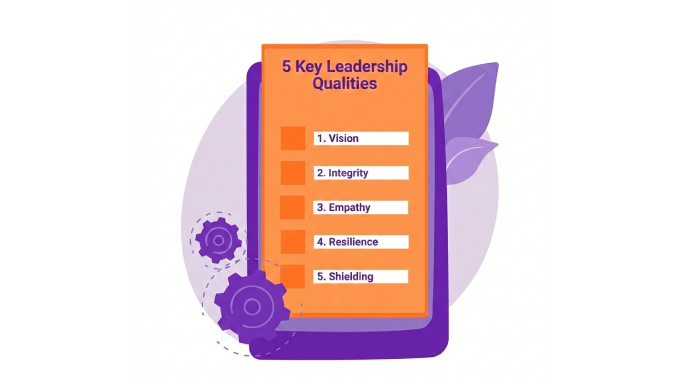
- Vision is one quality worth acknowledging. Managers who help teams understand direction and priorities provide stability, especially during change.
- Integrity and Ethics also matter. Consistent and fair decision-making builds trust over time. Recognition here reinforces the importance of values in leadership.
- Empathy plays a very meaningful role. Managers who support well-being and respect boundaries help teams sustain performance without burnout.
- Resilience is another key trait. Staying calm and focused during difficult situations helps teams navigate uncertainty more effectively.
- Shielding often goes unnoticed. Many managers spend time filtering noise, managing expectations, and protecting their teams from unnecessary pressure. But real shielding goes beyond just creating a barrier. It’s about thoughtfully shaping the context in which a team operates. By serving as a strategic shock absorber, a manager can transform the chaos of organizational changes into clear, actionable insights, making sure that the "corporate noise" doesn’t disrupt the team’s focus.
Identifying the "Invisible Work" Behind Managerial Success
A manager's influence is mainly felt in the background. Relationship management, resource planning, and conflict resolution rarely have precise metrics. However, these initiatives prevent problems from getting worse. Such "preventions" are a significant financial driver.
The cost of letting friction fester is real: SHRM's Q4 2024 Civility Index found that U.S. organizations lose over $2.7 billion per day to reduced productivity and absenteeism caused by workplace incivility. Managers who step in early are often the reason that friction never compounds.
It can be helpful to notice what did not happen. This includes fewer escalations, smoother changes, and steady performance during busy times. These signals often point to strong leadership operating quietly in the background.
Manager Appreciation Messages and Quotes for Every Channel
The right words for recognizing a manager change with the channel, not just the moment, so the messages below are grouped by where you're saying them: public, private, formal, and short everyday lines you don't have to overthink.
| Channel | Best For | Example Use Case |
|---|---|---|
| Public (Slack, Teams, team meetings) | Visible wins and shared moments | Recognizing a manager for backing the team in a review |
| Private one-on-one | Mentorship and ongoing support | Thanking a manager for feedback that helped you grow |
| Formal (LinkedIn, written note) | Career milestones and transitions | Writing a recommendation when a manager changes roles |
Posting recognition like this to a Social Recognition Feed keeps it visible to the rest of the team, which is often what actually normalizes recognizing managers in the first place.

Quick Public Recognition (Slack, Teams, Team Meetings)
Public recognition works well for visible support and shared wins. These messages are usually brief and tied to a specific moment. They acknowledge leadership without drawing unnecessary attention or sounding excessive.
Let's look at a few examples:
- Example 1 "Thanks for stepping in during the client call today. Your clarity helped the team stay aligned."
- Example 2 "Appreciate your quick guidance on the timeline. It helped us move forward with confidence."
- Example 3 "Thank you for backing the team's approach in today's review. That support made a real difference."
- Example 4 "Grateful you took the extra time to walk us through the changes. It made the rollout so much smoother."
- Example 5 "Thanks for staying calm when the deadline moved. Your steadiness kept the rest of us focused."
- Example 6 "Appreciate you flagging the risk early. Catching it then saved us a much bigger headache later."
- Example 7 "Thank you for giving credit to the team in front of leadership. That kind of visibility means a lot."
- Example 8 "Thanks for making space for questions in the standup. It's made the whole team more comfortable speaking up."
- Example 9 "Thanks for making the tough call so the rest of us didn't have to guess."
- Example 10 "Appreciate you owning that mistake in front of the client. It said a lot about your leadership."
These messages work because they are timely, specific, and grounded in real actions.
Private One-on-One Appreciation

Private recognition offers a chance for deeper understanding and reflection. This approach is particularly effective when you want to highlight mentorship, decision-making, or ongoing support.
It also provides managers with valuable insights into how their leadership is perceived. Here are a few examples of how you can convey that appreciation:
- Example 1 "I wanted to say thank you for how you handled feedback on the last project. It helped me see gaps without feeling discouraged."
- Example 2 "I appreciate how you make space for questions, even when things are busy. It's made it easier for me to grow in this role."
- Example 3 "Your guidance during the transition period helped me stay focused and confident. I've learned a lot from that experience."
- Example 4 "Thank you for pushing back on that unrealistic deadline on our behalf. I know that wasn't an easy conversation to have."
- Example 5 "I noticed you stayed late to help me finish the report. I won't forget that."
- Example 6 "Thanks for checking in after last week. It meant more than you probably realize."
- Example 7 "I appreciate that you never make me feel small for asking basic questions. It's made this a much easier place to learn."
- Example 8 "Your feedback on my presentation last month actually changed how I prepare now. Thank you for taking the time."
- Example 9 "Thank you for remembering the small stuff. It tells me you're actually paying attention."
- Example 10 "I appreciate that you push me without making me feel like I'm failing."
Formal Recognition (LinkedIn Recommendations, Written Notes)
A LinkedIn recommendation or a written note can really make a difference in how someone is perceived professionally. It boosts a manager's reputation and shows real appreciation beyond daily work. A few shorter lines work well as a written note or the opening of a recommendation:
- Example 1 "Working with [Name] taught me how to lead with both clarity and patience, even under pressure."
- Example 2 "[Name] consistently created space for the team to do their best work, and it showed in the results."
- Example 3 "I've rarely seen someone balance high standards with genuine care for their team the way [Name] does."
- Example 4 "[Name]'s ability to stay composed during our toughest quarter kept the whole team grounded."
- Example 5 "What stood out most about working under [Name] was how much trust they placed in the team, and how much we delivered because of it."
To keep a full recommendation impactful and credible, it's helpful to follow a clear structure. Begin by outlining a specific challenge or situation. Then, highlight the leadership qualities they demonstrated. Wrap it up by sharing the positive outcome for the team or organization.
Here's an example for you:
"During a period of rapid change, [Name] helped our team members stay focused and aligned. Their ability to balance clarity with empathy made complex decisions easier to navigate. As a result, the team maintained momentum and trust during a demanding phase of growth."
This approach keeps the message professional, specific, and meaningful without sounding exaggerated.
Short, Everyday Appreciation Lines
Not every moment calls for a full message. Sometimes a short line, sent without overthinking it, is what actually gets said instead of saved for later.
- Example 1 "Thank you for leading with patience today."
- Example 2 "I appreciate how steady you are, even when things get chaotic."
- Example 3 "Thanks for always having our back."
- Example 4 "Your guidance made this week easier to get through."
- Example 5 "I don't say this enough, but thank you for everything you do for this team."
- Example 6 "Grateful to have a manager who actually listens."
- Example 7 "Thanks for trusting me with this."
- Example 8 "I appreciate you more than a quick message can say."
- Example 9 "Thank you for making room for my ideas."
- Example 10 "You make a hard job look easy. Thank you."
- Example 11 "Thanks for showing up for the team, every single time."
- Example 12 "I appreciate your patience more than you know."
How Do You Professionally Praise a Manager?
Many people hesitate to recognize managers because they are unsure how to phrase it. A simple framework can make appreciation easier to deliver and easier to receive.
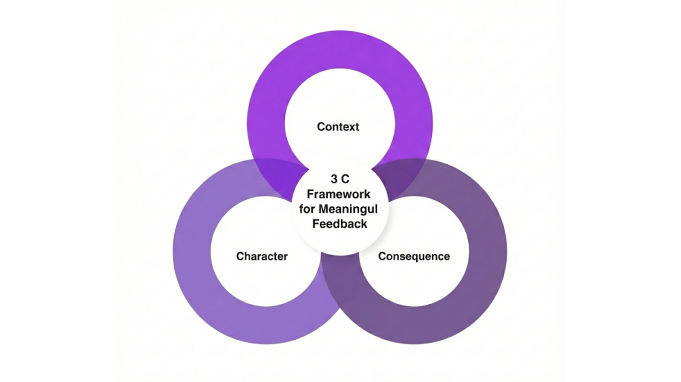
Applying the "3 C's" Framework for Meaningful Feedback
- Start with context. Reference a specific situation to ground the feedback.
- Next, focus on character. Identify the leadership trait you observed, such as clarity, patience, or decisiveness.
- And finally, describe the consequence. Share how their action influenced the team, the project, or your own work. This helps connect appreciation to real impact.
Choosing the Right Channel: Public vs. Private Recognition
Public channels are great for celebrating team successes and showcasing leadership moments. They help to promote positive behaviors in a communal environment.
On the other hand, private channels are more suited for personal development, coaching, or handling sensitive matters. Choosing the right setting shows respect and awareness.
How Can HR Leaders Build a Successful Manager Recognition Program?
For HR leaders, manager recognition works best when it is intentional. Informal praise has value, but systems help ensure consistency and reach.
Integrating Top-Down and Bottom-Up Recognition Flows

Managers really thrive when they receive recognition and rewards from various sources. When senior leaders recognize their efforts, it strengthens strategic alignment. It also helps managers feel more connected to the company's mission.
At the same time, recognition from peers often comes from structured peer-to-peer programs. These programs add credibility and daily validation that praise from leaders alone cannot provide.
This multi-directional support helps create stability. One study found that 80% of employees who receive 360-degree feedback report higher job satisfaction and a stronger commitment to their roles.
The High-Value Rewards Managers Truly Want (Beyond Money)
- Many managers value autonomy and trust. Being given space to lead signals confidence in their judgment.
- Visibility also matters. Opportunities to share ideas or outcomes with senior leadership can increase engagement.
- Professional development remains essential as well. Coaching, leadership programs, and learning opportunities demonstrate a long-term commitment to growth.
Leveraging Technology to Measure and Sustain Manager Engagement
[Source: Vantage Pulse]
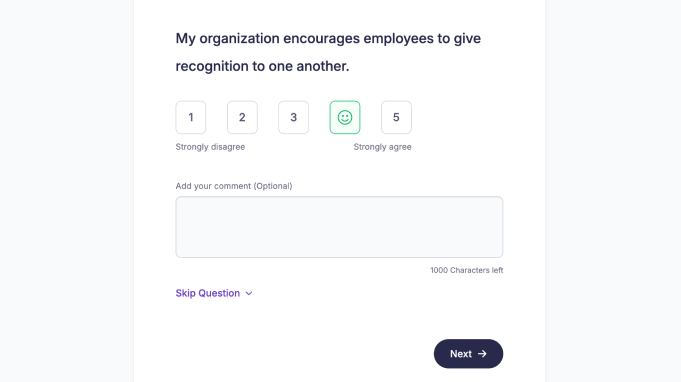
Recognition platforms and pulse surveys, such as Vantage Pulse, are great tools for tracking engagement trends.
They shed light on areas where support might be lacking, giving leadership the chance to step in before burnout sets in. These tools help organizations find patterns that often go unnoticed in daily work. They identify "recognition deserts," where managers work hard but do not receive the acknowledgment they need to stay motivated.
However, if you are wondering whether recognition platforms will replace human connection, they will not. Instead, they serve as a safety net, making sure managers aren’t consistently overlooked as organizations grow.
Conclusion
So you see, managers are truly the backbone of any organization. They take strategies and turn them into real actions, handle the pressure from higher-ups, and provide stability to their teams when uncertainty looms.
That’s why acknowledging managers goes beyond just giving them a pat on the back. It’s about shining a light on the hard work that often goes unnoticed. It’s about encouraging the behaviors that safeguard teams, nurture the company culture, and maintain momentum, especially during times of change.
FAQs
What do you say to recognize a manager?
Say something concrete tied to what they actually did, not a general compliment. The 3 C's Framework works well here: reference the context, the character trait, and the consequence, like "Thank you for backing the team's approach in today's review. That support made a real difference."
What are the 4 types of recognition?
Manager recognition tends to fall into four types: public (Slack, Teams, team meetings), private one-on-one, formal (a LinkedIn recommendation or written note), and peer-to-peer, where recognition flows sideways instead of top-down. Each fits a different moment.
What are the 5 qualities of a good manager?
Vision, integrity and ethics, empathy, resilience, and shielding show up most consistently in managers worth recognizing. Each one is worth calling out on its own rather than folded into generic praise.
How do you praise your manager in words?
Ground the praise in a specific situation instead of a generic compliment. Naming the moment, the trait you noticed, and what it led to makes the praise land as genuine instead of performative.
How to express appreciation to a manager?
Match the channel to the moment: a quick public shoutout for a visible win, a private one-on-one for mentorship or ongoing support, and a formal note or LinkedIn recommendation for a bigger milestone like a role change.
What is a powerful appreciation message?
One that's specific and tied to real impact, not just warm in tone. "Thank you for backing the team's approach in today's review, that support made a real difference" lands harder than "thanks for being a great manager" because it names the action and its effect.

Shaoni Gupta is a content marketing specialist at Vantage Circle, with expertise in scriptwriting and copywriting in the field of employee rewards and recognition.
Connect with Shaoni on LinkedIn.