Recognition in the life sciences and pharmaceutical industry is more complex than it first appears. Under the same company logo, you have scientists, manufacturing operators, quality managers, and sales teams. Yet many recognition programs treat them exactly the same.
It's an understandable approach. A single framework is easier to launch, communicate, and administer. But over time, the gaps become hard to ignore.
Sales teams receive most of the visible recognition because their achievements are immediate and measurable. Research milestones often take years to materialize. Quality professionals are noticed only when something goes wrong, while manufacturing teams are rewarded for output even though consistency, precision, and compliance are what truly define their performance.
The challenge isn't recognizing more employees; it's recognizing the right contributions in the right way. That means asking different questions: Who are we recognizing? What does success look like in each role? And how can we celebrate it without compromising compliance?
In this blog, we'll explore how rewards and recognition can be adapted across the major functions in a pharmaceutical organization while ensuring recognition remains meaningful, measurable, and compliant.
Why Rewards and Recognition in Pharma is Different
Rewards and Recognition in pharma is different because the work itself resists the normal rhythm of praise. Development cycles run a decade, the biggest wins are shared across hundreds of people, interactions with healthcare professionals are governed by industry codes, and the workforce is scattered across labs, clinics, sales territories, and manufacturing plants that barely see each other.
Think about what a standard recognition program assumes.
- It assumes people finish things on a quarterly cadence.
- It assumes everyone sits near a screen.
- It assumes a manager can hand out a spot bonus without anyone in Legal raising an eyebrow.
In pharma, all three assumptions fail on day one.
It's no surprise, then, that programs built on these assumptions rarely deliver.
A scientist can work brilliantly for six years on a molecule that dies in Phase II. Did she fail? Of course not. She did exactly what the company hired her to do, and the science said no. If your program only celebrates finish lines, she will never get recognized for her work.
Meanwhile, a manufacturing operator working on a GxP-regulated production line may have spent 11 years doing flawless work without ever appearing in the company's recognition feed, often because they don't even have a desk to access it.
However, none of this means recognition can't work in the pharmaceutical industry. It simply means the program has to reflect the reality of the people it's designed for. The first step is to stop treating the workforce as one audience. Scientists, plant operators, quality teams, and sales reps all contribute differently, so recognition should reflect those differences as well.

VANTAGE INFLUENCERS PODCAST
"Recognition is something which is emotion. It is intangible. Recognition is about that vibe that you bring in as an ecosystem. A warm greeting, hello, or a warm thank you when somebody is helping you makes a difference."
Binni Rai, Chief HR Officer at Omnipresent Robot Tech
Listen to the EpisodeWhat Works for Each Segment of the Pharma Workforce
A pharma R&R program should be built segment-first. If you have five distinct workforces then you need five distinct answers to rewards and recognition. The table below shows the whole picture at a glance, and the rest of this section walks through each row the way you would actually plan it.
| Segment | What to Recognize | Reward Types That Fit | Watch-Outs |
|---|---|---|---|
| R&D and Scientists | Rigor, milestones inside long programs, publications, patents, mentorship | Research awards, conference sponsorships, innovation funding, patent royalty sharing, values-based recognition | Do not recognize only successful outcomes; you will punish honest science |
| Clinical and Medical Affairs | Trial milestones, enrollment goals, patient-centered work, data quality | Milestone incentives, team awards timed to trial phases, patient-impact awards | Timing must follow the trial calendar, not the HR calendar |
| Field Sales Force | Territory performance, behaviors behind the number, compliant selling | Transparent leaderboards, points-based rewards, president's-club-style tiers with published criteria | Discretionary cash spiffs invite compliance questions; criteria must be documented |
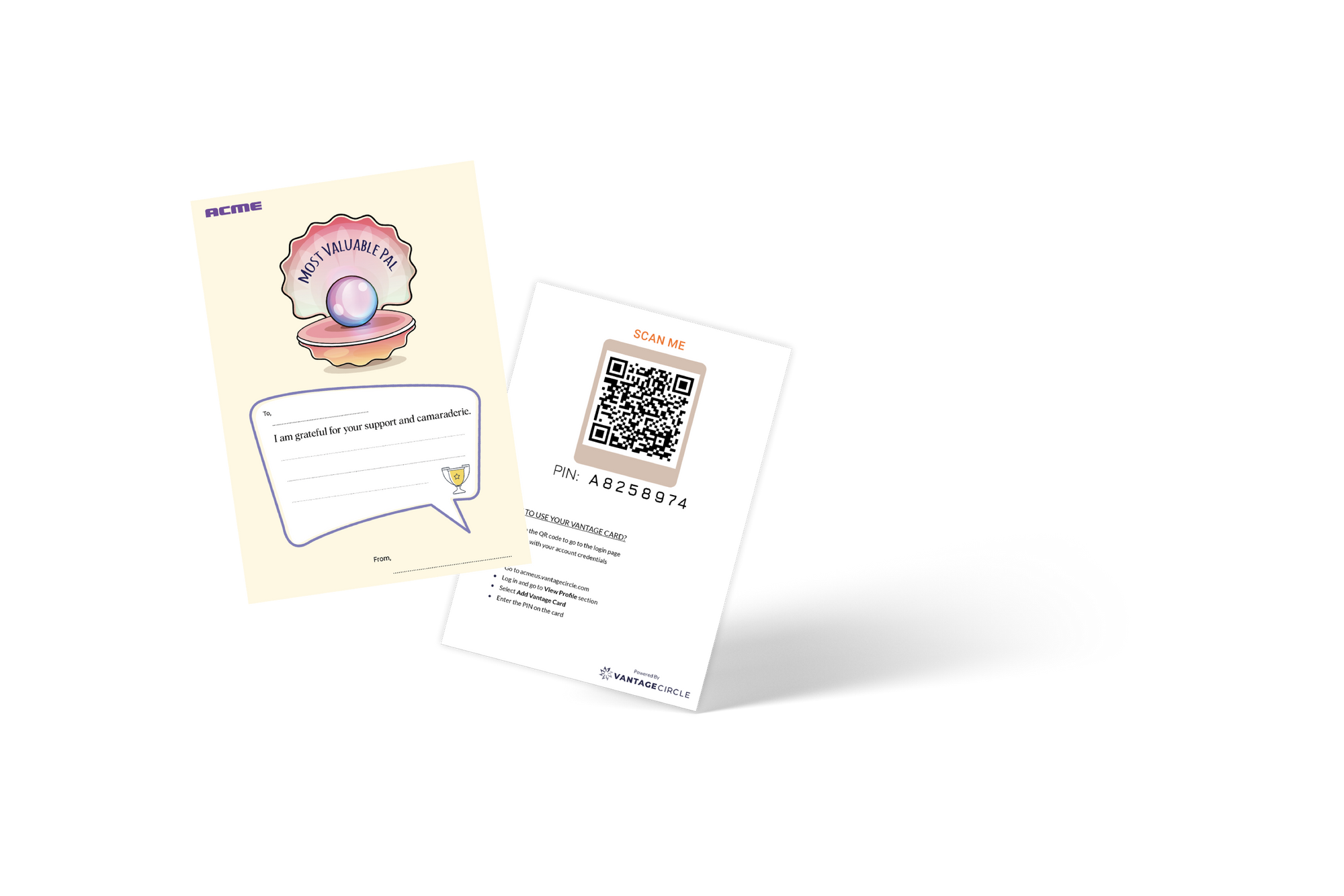
| Manufacturing and Plant Operations | Right-first-time quality, safety records, audit outcomes, shift teamwork | Physical-access recognition (Phygital cards), long service awards, shift-level team awards | Deskless workers cannot use an email-based program; access is the whole game |
| Regulatory, QA, and Compliance | Successful submissions, clean audits, prevented problems | Quality awards, regulatory-navigation awards, public leadership acknowledgment | Their best work is invisible; if you wait for a visible win, you will wait forever |
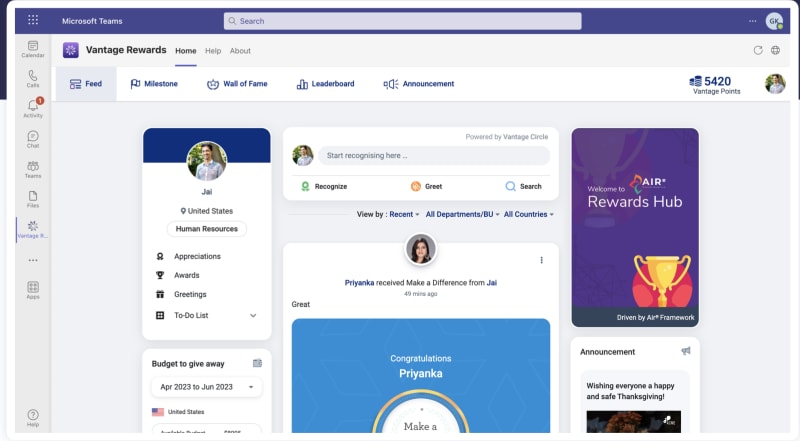
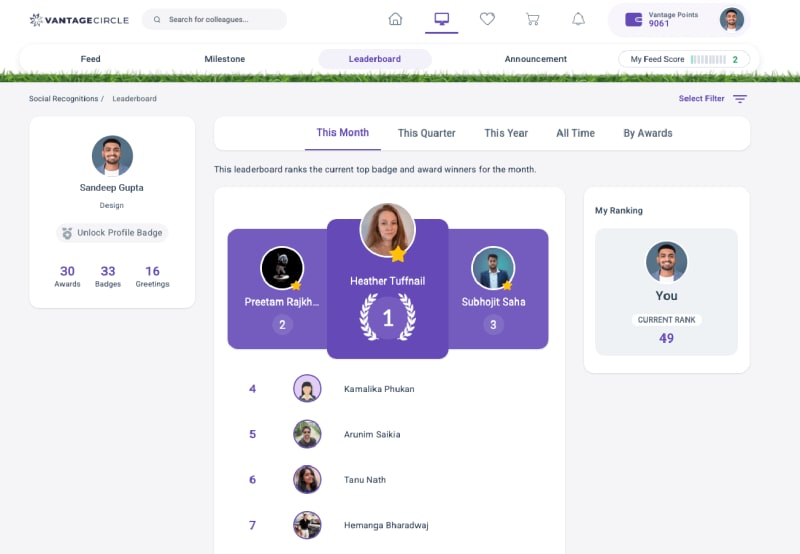
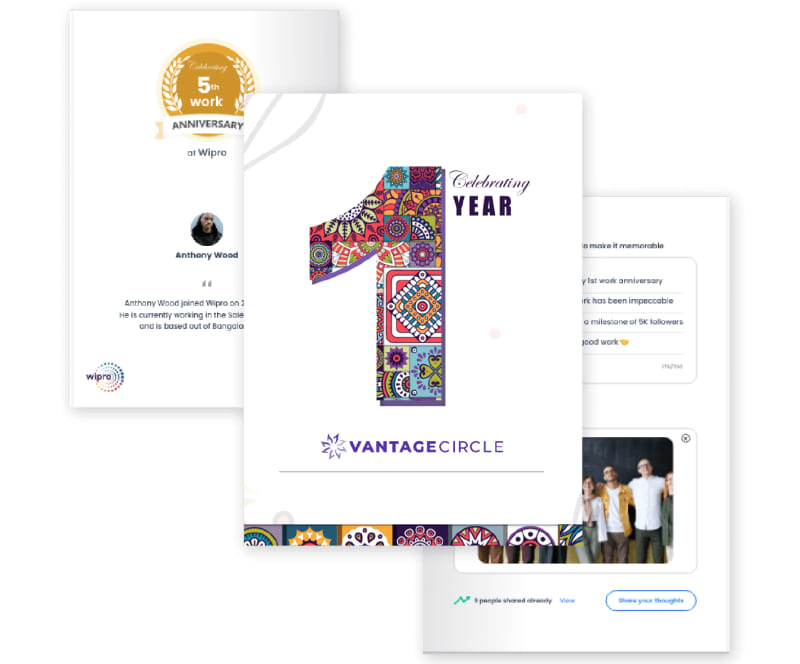
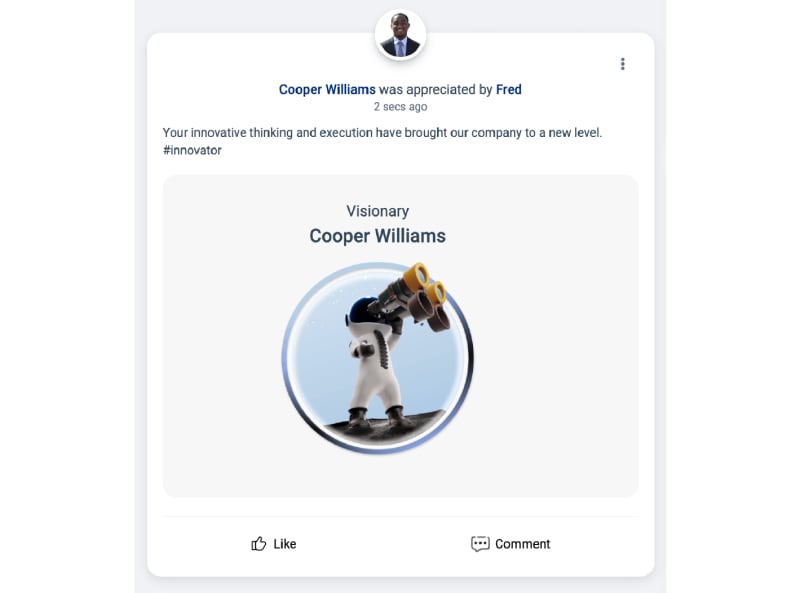
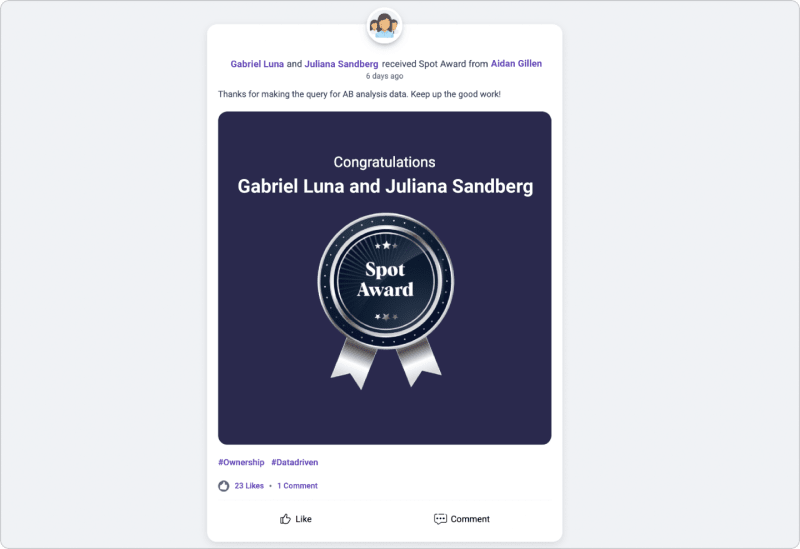
25 Rewards and Recognition Ideas for Different Segments of the Pharma Workforce

Keeping Pharma Recognition Compliance-Clean
One question comes up every time we speak with HR leaders in pharmaceutical companies: Can we build a meaningful recognition program without creating compliance risks?
The answer is yes, but only if compliance is part of the design.
We've found that the strongest pharma recognition programs have three things in common.
- They have clear, documented criteria for who gets recognized and why.
- They have defined budgets and approval workflows, so rewards are applied consistently across the organization.
- They leave an audit trail, making every recognition decision easy to explain if someone asks six months later.
Those principles matter because recognition operates in very different environments across a pharmaceutical company. Sales recognition should reward ethical behaviors as well as results. Manufacturing recognition should reinforce quality and safety not just speed. And every recognition decision should be easy to explain, document, and defend if someone asks, "Why was this employee recognized?"
The biggest mistake is treating compliance as the final review before launch. The strongest programs bring compliance into the conversation from the beginning. When HR and compliance design the program together, recognition becomes easier to manage, easier to scale, and far easier to stand behind.
Measuring Whether Your Pharma Recognition Program is Working
Recognition programs shouldn't be measured by activity alone. A thousand recognition moments don't tell you much unless they're reaching the right people and influencing the outcomes that matter.
In the pharmaceutical industry, one company-wide metric rarely tells the whole story. Scientists, manufacturing operators, clinical teams, quality professionals, and sales reps experience work very differently, so they should be measured that way too. The most useful recognition metrics look at both employee sentiment and business impact.
Retention by Workforce Segment
Turnover is expensive in every industry, but in pharma it also means losing years of specialized knowledge. Replacing a senior scientist, an experienced QA professional, or a long-tenured manufacturing operator isn't just about filling a vacancy, it means rebuilding expertise that took years to develop.
Track retention by function rather than relying on an organization-wide number. It helps you identify where recognition is strengthening loyalty and where key talent may still feel overlooked.
Participation Across Sites and Functions
Participation is often the earliest sign that a recognition program is working or not.
If employees at headquarters are actively recognizing one another while participation on the plant floor remains low, the problem is rarely motivation. More often, it's accessibility. The same applies across laboratories, field sales, and clinical teams. Looking at participation by site and function helps uncover gaps before they become engagement problems.
Employee Net Promoter Score (eNPS) by Segment
A single engagement or eNPS score can hide important differences across the organization.
An overall score may look healthy while manufacturing engagement declines or field sales employees feel disconnected. Measuring eNPS by workforce segment gives HR a clearer picture of who feels valued, who doesn't, and where recognition efforts need to improve.
Operational and Business Outcomes
Recognition should ultimately reinforce the behaviors that drive business performance. That means looking beyond recognition activity and measuring the operational outcomes each function already cares about.
- For clinical teams, it might be trial milestones or enrollment goals.
- In manufacturing, it could be right-first-time quality, safety performance, or audit readiness.
- For commercial teams, it may include territory growth, customer engagement, or learning achievements.
When recognition supports the right behaviors, those improvements become visible in business results.
Sources: Gallup · Vantage Circle × Great Place to Work Recognition Effect study, covering 5.7 million employees
Conclusion
Remember, the pharma industry doesn't need cookie-cutter recognition programs. It needs strategies as thoughtful as the science itself. A scientist six years into a molecule, an operator on a GxP line, and a rep on the road all contribute differently, and recognition only lands when it reflects those differences. So start by treating each segment as its own audience, bring compliance in from day one, and measure the outcomes each function actually cares about. The companies that get this right won't just win the war for talent; they'll lead the charge in transforming lives through science.
FAQs
1. What are Examples of Recognition and Rewards?
Examples include milestone awards, peer recognition, spot awards, work anniversary celebrations, learning and certification awards, performance bonuses, and non-monetary recognition such as public appreciation or leadership acknowledgments.
2. What are Key Performance Indicators (KPIs) in the Pharmaceutical Industry?
Common pharma KPIs include clinical trial milestones, enrollment targets, right-first-time quality, audit outcomes, compliance metrics, manufacturing efficiency, sales performance, and employee retention and engagement.
3. How do you Recognize Plant and Manufacturing Employees?
Use mobile-first or phygital recognition solutions that combine physical recognition (such as QR-enabled cards) with digital rewards.
4. Why Should Recognition and Rewards be Different for Each Function in a Pharmaceutical Company?
Different teams contribute in different ways. Tailoring recognition to each function makes it more meaningful, fair, and aligned with business goals.

Shikha Gogoi is a Content Marketing Specialist focused on SEO-driven content around employee engagement, recognition, and workplace culture, helping build people-first workplaces.
Connect with Shikha on LinkedIn.