
Employee recognition is supposed to make people feel valued. So why do so many recognition programs leave employees feeling overlooked?
The answer isn't that organizations don't care. In most cases, they do. The problem is that good intentions often get lost in poor execution. Recognition arrives weeks too late, the same handful of employees are celebrated over and over or rewards feel disconnected from what people actually value.
These mistakes may seem small, but they add up. Instead of reinforcing great work, they create confusion, frustration, and eventually disengagement.
In this blog, we'll walk through some of the most common employee recognition mistakes organizations make and, more importantly, how to fix them. We'll also show how frameworks like AIRe can help you build a recognition program that's timely, meaningful, and designed to last.
Why Do Recognition Programs Fail?
Recognition programs rarely fail overnight. They fade.
The launch is exciting. Leaders talk about building a culture of appreciation. Employees are enthusiastic. Managers remember to recognize great work. Then everyday work takes over. Deadlines pile up, priorities shift, and recognition slowly slips down the to-do list. A few months later, the platform is still there, but the momentum is gone.
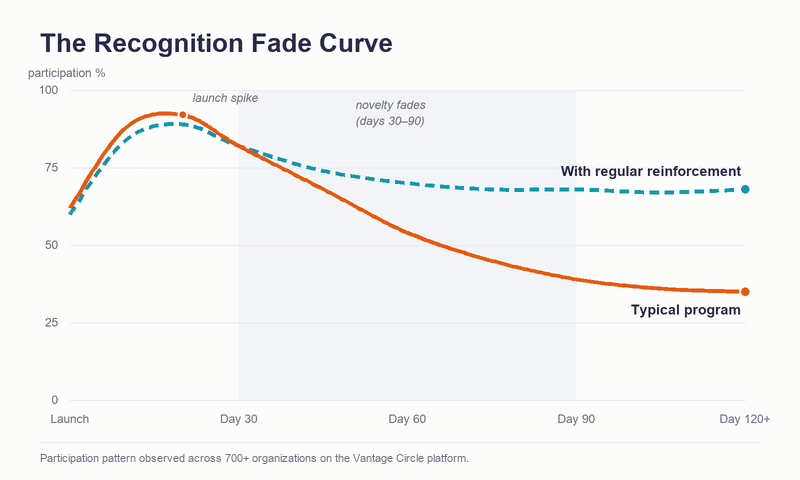
Source: Why Peer Recognition Fades After Launch
This is surprisingly common. Most organizations invest in employee recognition, yet far fewer believe their programs are truly effective. According to the WorldatWork Trends in Employee Recognition report, 94% of organizations have a recognition program, but only 31% rate theirs as highly effective.
The problem isn't a lack of budget or good intentions. It's that recognition is often treated as an initiative instead of a habit. Without consistency, manager buy-in, and a clear strategy, even the best-designed programs lose their impact.

Vantage Influencers Podcast
Most businesses that promote a widespread employee appreciation culture fail to make it inclusive.
Featuring Enzo Ochoga · on workplace equality and employee appreciation
Listen to the Episode25 Common Employee Recognition Mistakes (and Their Fixes)
1. Vague, Generic Praise
People don't just want to be praised; they want to know they were noticed.
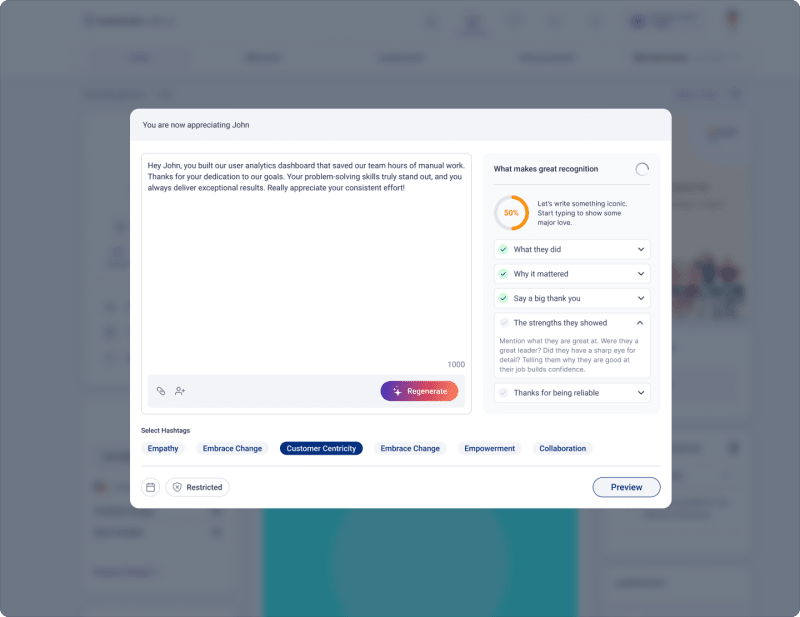
Instead of saying, "Great presentation," say, "The way you simplified a complex topic for the client made the discussion much easier to follow." The more specific the recognition, the more likely employees are to repeat that behavior.
How to fix it: Make every recognition specific. Describe what the employee did, why it mattered, and the impact it had on the team, customer, or business.
Source: Vantage Recognition
2. Recognition That Arrives Too Late
Recognition has a shelf life. The longer you wait, the less meaningful it becomes. Congratulating someone months after they solved a difficult problem doesn't carry the same emotional impact as recognizing them while the achievement is still fresh.
Timely recognition also reinforces behavior. When employees immediately connect appreciation with their actions, they're far more likely to repeat those behaviors in the future.
How to fix it: Aim to recognize great work within a few days, ideally the same day. If your recognition process is so complicated that appreciation gets delayed, simplify the process.
3. One-Size-Fits-All Recognition
Not everyone wants to be recognized the same way.
Some employees love a public shout-out during an all-hands meeting. Others would much rather receive a thoughtful note from their manager or a quiet conversation after a successful project. Neither preference is right or wrong.
Recognition is personal. The more it reflects what employees actually value, the more meaningful it becomes.
How to fix it: Ask employees how they prefer to be recognized. A simple conversation can help managers avoid well-meaning gestures that miss the mark.
4. Infrequent and Inconsistent Recognition
The most successful recognition programs aren't built on grand gestures. They're built on consistency. Small moments of appreciation, repeated regularly, have a much bigger impact than one big celebration every few months.
Gallup's survey suggests that only three in 10 U.S. employees strongly agree that they have received recognition or praise for doing good work in the past seven days. That's a telling sign of how often appreciation is overlooked.
How to fix it: Create a regular rhythm for recognition. Use recurring campaigns, milestone celebrations, and reminders to help managers recognize employees consistently throughout the year.
5. Playing Favorites (Even Unintentionally)
Most managers don't set out to recognize the same people over and over again. It just happens. Meanwhile, quieter employees or remote team members can easily be overlooked, even when they're making valuable contributions.
Employees notice these patterns. When recognition consistently goes to the same few people, others begin to question whether their work is really valued.
In fact, employee engagement in the U.S. fell to its lowest level in a decade in 2024, with only 31% of employees engaged. One major driver behind this drop? A lack of consistent and equitable recognition.
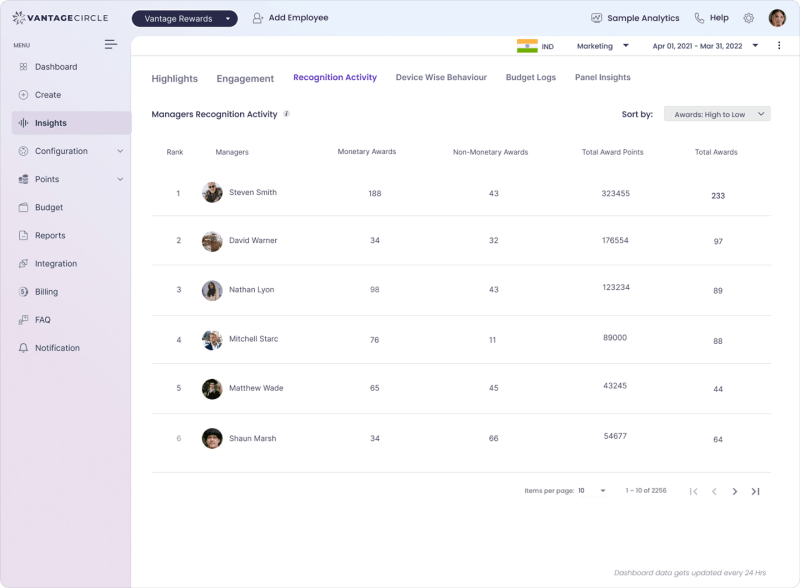
How to fix it: Regularly review recognition data to see who is and isn't being recognized. Visibility helps managers spot blind spots early and ensures appreciation is distributed more fairly across the team.
Source: Vantage Recognition
6. Saving Recognition for the Annual Review
One large, formal moment per year cannot compete with fifty-two small, genuine ones, no matter how nice the plaque is.
How to fix it: Make recognition part of everyday work. Celebrate wins as they happen, then use performance reviews to reflect on the bigger picture.
7. Recognizing Only Results, Not Behaviors
Results matter. But they're not the whole story.
When employees are recognized only for hitting targets or closing deals, they learn that everything else—collaboration, creativity, mentoring, and persistence—goes unnoticed. Over time, that discourages the very behaviors that lead to long-term success.
How to fix it: Recognize the behaviors that drive great outcomes, not just the outcomes themselves. Celebrate teamwork, problem-solving, innovation, and resilience alongside business results.
8. Making Recognition a Manager-Only Responsibility
The people best positioned to catch great work are the ones sitting next to you. Peers see the debugging session at 7 p.m., the patient onboarding of the new hire, the third rewrite that finally made the deck sing.
Peers often notice these moments long before managers do. That's why recognition shouldn't flow in just one direction.
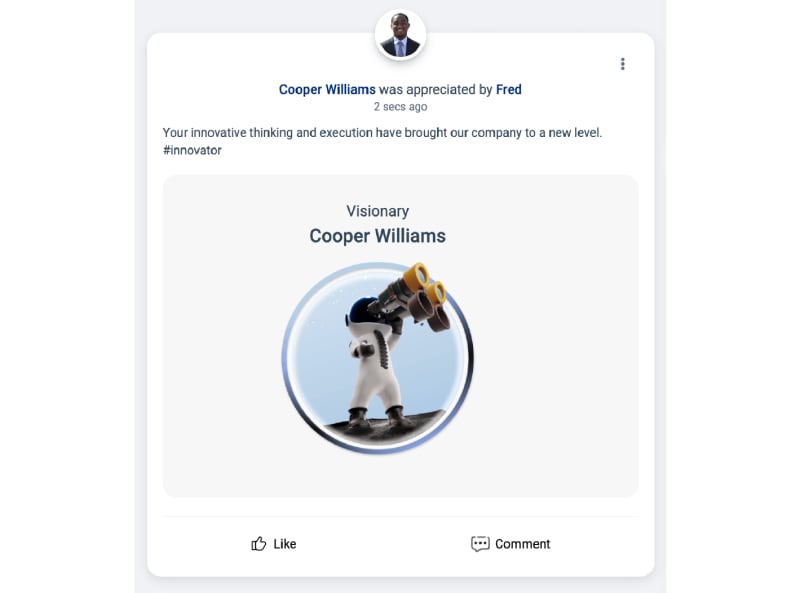
How to fix it: Encourage peer-to-peer recognition alongside manager recognition. It creates more opportunities for appreciation and builds a culture where everyone contributes to recognizing great work.
Source: Vantage Recognition
Recommended Read: How to Recognize Employees with Microsoft Teams?
9. Keeping Recognition Private
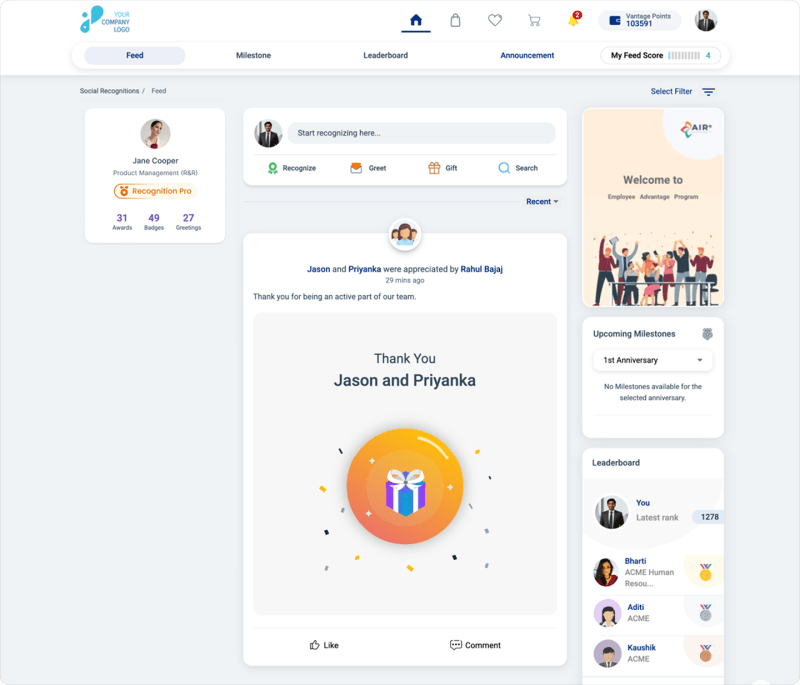
Public recognition has an added benefit, it shows everyone what great work looks like. When employees see their colleagues being recognized for living company values or helping customers, those behaviors naturally become part of the culture.
How to fix it: Create a shared space where recognition is visible. Whether it's a recognition feed, a Teams channel, or a company-wide shout-out, public appreciation inspires more of the behaviors you want to see.
Source: Vantage Recognition
10. Leaders Who Talk About Recognition but Don't Practice It
Employees pay far more attention to what leaders do than what they say.
If senior leaders promote recognition but rarely recognize anyone themselves, employees notice. It sends an unintended message that recognition isn't really a priority.
A study by Trade Press Services reveals that a staggering 85% of employees feel more motivated when leadership consistently communicates company updates. Employees look to leadership not just for direction, but for validation and engagement.
How to fix it: Make recognition a visible leadership habit. When leaders consistently recognize employees, managers and teams are much more likely to follow their example.
Recommended Read: How Leaders Can Use Recognition to Build High-performing Teams
11. Recognition That Isn't Connected to Company Values
Recognition is more meaningful when employees understand why they're being recognized.
Without that context, appreciation can feel random or worse, like favoritism. But when recognition is linked to company values, it reinforces the behaviors the organization wants to encourage.
How to fix it: Tie every recognition to a company value or behavior. It gives recognition more meaning and helps employees see how their everyday work supports the organization's culture.
12. Expecting Managers to Know How to Recognize Employees
Being a good manager doesn't automatically make someone good at recognition.
Most managers are not resisting recognition; they were simply never trained to do it well, and untrained recognition often does more harm than silence. Recognition is a skill, which means the absence of it is a training gap and not a character flaw.
How to fix it: Train managers on the basics of effective recognition. A short session on being timely, specific, and meaningful can make a lasting difference.
13. Never Measuring Whether Recognition Is Working
You can't improve what you don't measure.
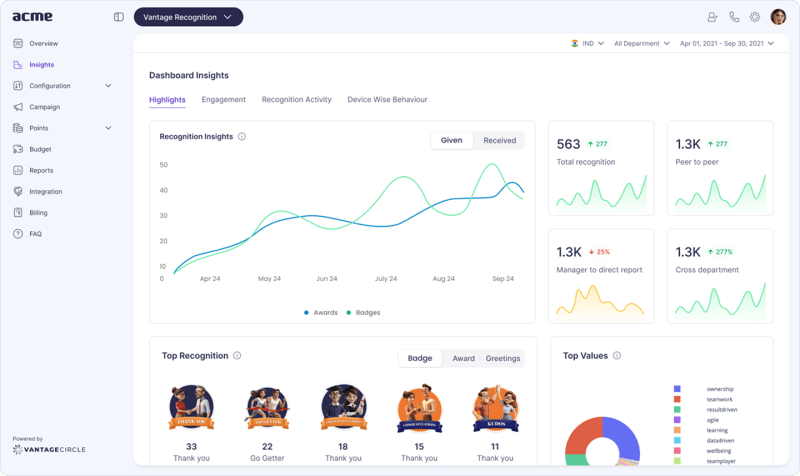
Many organizations invest in recognition programs without ever checking whether employees actually feel recognized. Participation might look healthy on paper while employees still feel overlooked.
How to fix it: Regularly measure participation, recognition frequency, and employee sentiment through pulse surveys or recognition analytics. Data helps you identify gaps before they become bigger problems.
Source: Vantage Recognition
14. Thinking a Bigger Budget Equals Better Recognition
A larger budget doesn't automatically create a stronger recognition culture.
Employees are far more likely to remember consistent appreciation than one expensive reward at the end of the year. Recognition is about making people feel valued, not simply spending more money.
How to fix it: Invest in frequent, meaningful recognition rather than saving the budget for a handful of large rewards. Consistency almost always delivers better results than extravagance.
15. Launching the Program and Moving On
Launching a recognition program is the easy part. Keeping it relevant is the real challenge.
Without regular attention, participation naturally declines. Managers stop using the platform, employees engage less often, and recognition slowly fades into the background.
The strongest recognition programs evolve over time instead of staying on autopilot.
How to fix it: Review your program regularly. Look at participation trends, employee feedback, and recognition data every quarter so you can make improvements before engagement starts to drop.
16. Using Recognition as a Substitute for Fair Pay
Recognition is powerful, but it can't replace fair compensation.
Employees appreciate a thoughtful thank-you, but they also expect to be paid fairly for the work they do. When recognition is used to make up for compensation that employees perceive as unfair, it quickly loses credibility.
How to fix it: Build recognition on top of a strong compensation strategy. Recognition should enhance the employee experience, while fair pay provides its foundation.
17. Recognition That Feels Automated
Technology can make recognition easier, but it shouldn't make it impersonal.
Employees can tell when they've received the same generic message as everyone else. A templated appreciation message takes seconds to send, but it rarely makes anyone feel genuinely appreciated.
How to fix it: Personalize every recognition. Mention the specific contribution, explain why it mattered, and write it in your own words. Even one thoughtful sentence can make a lasting impression.
18. Forgetting Remote and Frontline Employees
The employees who are easiest to see often receive the most recognition.
Meanwhile, remote employees, frontline workers, and distributed teams can be overlooked simply because their contributions aren't as visible. It's rarely intentional, but employees still feel the impact.
How to fix it: Make recognition accessible to everyone, regardless of where they work. Use tools that support mobile and frontline employees, and regularly review recognition data to ensure every team is being included.
19. Offering Rewards Nobody Actually Wants
Recognition doesn't end when employees receive an award, it ends when they redeem it.
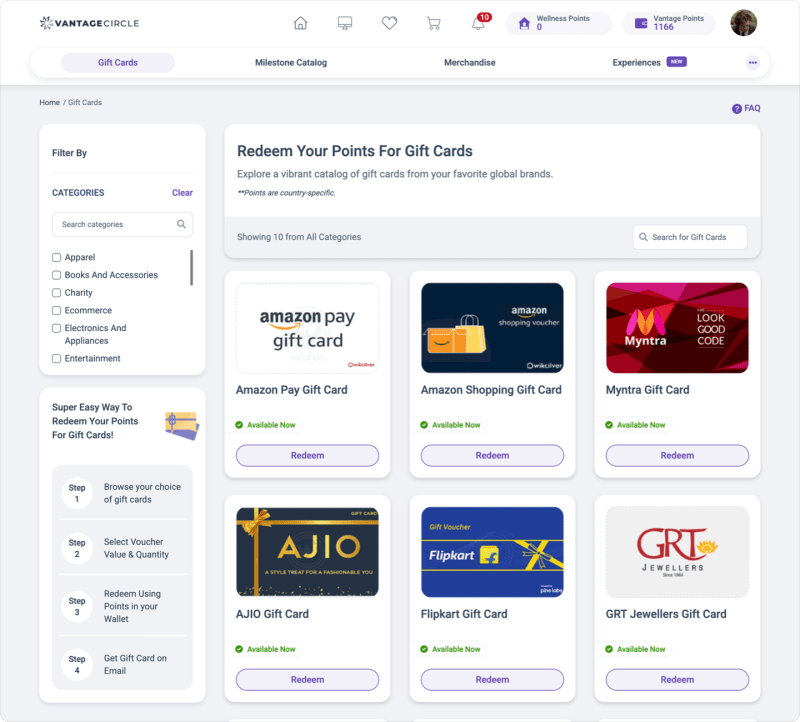
If your rewards catalog is filled with items employees don't value, even a meaningful recognition moment can lose some of its impact. A reward should feel like a benefit, not an afterthought.
How to fix it: Give employees plenty of choice. Regularly review redemption data, refresh your rewards catalog, and ask employees what they'd actually like to receive.
Source: Vantage Perks
20. Turning Recognition Into a Competition
Recognition should bring people together, not pit them against one another.
Leaderboards and "Employee of the Month" programs can motivate some employees, but they can also discourage collaboration if recognition starts feeling like a contest with only a few winners.
How to fix it: Recognize great work wherever it happens. Celebrate contributions across the organization instead of limiting recognition to a small group of top performers.
21. Recognizing Individuals but Never Teams
Some achievements belong to one person. Others are the result of great teamwork.
When organizations recognize only individual accomplishments, collaboration can suffer. But recognizing only teams can leave individual contributions feeling invisible.
How to fix it: Strike a balance. Celebrate team successes while also acknowledging the unique contributions that helped make those successes possible.
22. Using the Same Recognition Approach Everywhere
What feels meaningful in one culture may feel uncomfortable in another.
For global organizations, recognition isn't one-size-fits-all. Some employees enjoy public recognition, while others prefer private appreciation. Even reward preferences can vary significantly from one region to another.
How to fix it: Keep your recognition principles consistent, but allow flexibility in how recognition is delivered. Local managers are often best positioned to understand what works for their teams.
23. Treating Recognition as HR's Job
HR can build the program, but it can't create the culture on its own.
Recognition has the greatest impact when it comes from the people who work together every day. If managers and employees assume HR is solely responsible, appreciation becomes another HR initiative instead of an everyday habit.
How to fix it: Let HR provide the framework, tools, and guidance, while empowering managers and employees to make recognition part of their daily work.
24. Recognizing Everything
More recognition isn't always better.
When every routine task receives the same enthusiastic praise, recognition starts to lose its meaning. Employees naturally begin to tune it out because nothing feels especially noteworthy anymore.
How to fix it: Recognize employees frequently, but be intentional. Focus on contributions that demonstrate company values, meaningful effort, or exceptional results so recognition continues to feel genuine.
25. Never Asking Employees if the Program is Working
The people who experience your recognition program every day are the best people to evaluate it.
Yet many organizations redesign their programs without ever asking employees what's working or what isn't. As a result, they end up solving the wrong problems.
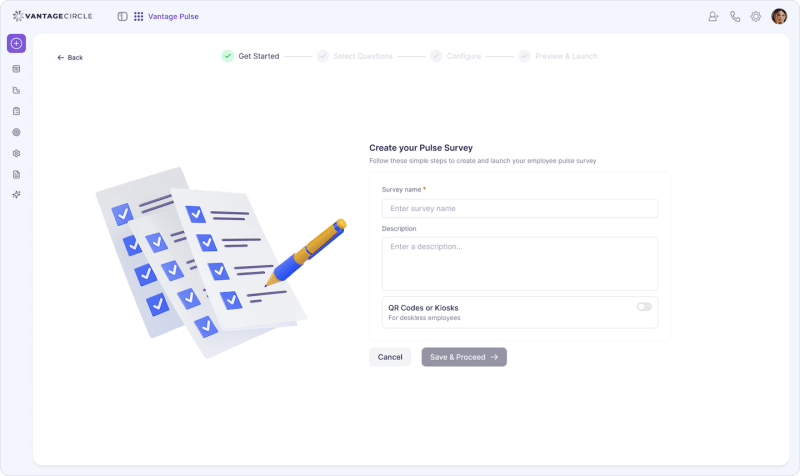
How to fix it: Regularly gather employee feedback through pulse surveys, focus groups, or recognition-specific questions. Just as importantly, let employees know how their feedback has shaped future improvements.
Source: Vantage Pulse
How to Fix a Failing Recognition Program with AIRe Framework
The good news? Most recognition programs aren't beyond saving.
If participation has dropped, employees seem disengaged, or recognition feels inconsistent, you don't necessarily need to start from scratch. In many cases, a few thoughtful changes can bring your program back to life. The key is to understand what's not working before you rush to fix it.
Here's a simple three-step approach.
Step 1: Understand Where You Stand
Before making changes, find out how employees actually feel about your recognition program.
Do they feel appreciated? Is recognition timely and meaningful? Do managers recognize employees consistently? A short pulse survey or eNPS survey can help answer these questions and establish a baseline. Once you know where the gaps are, you'll be able to measure whether your improvements are making a real difference.
Step 2: Redesign With the AIRe Framework
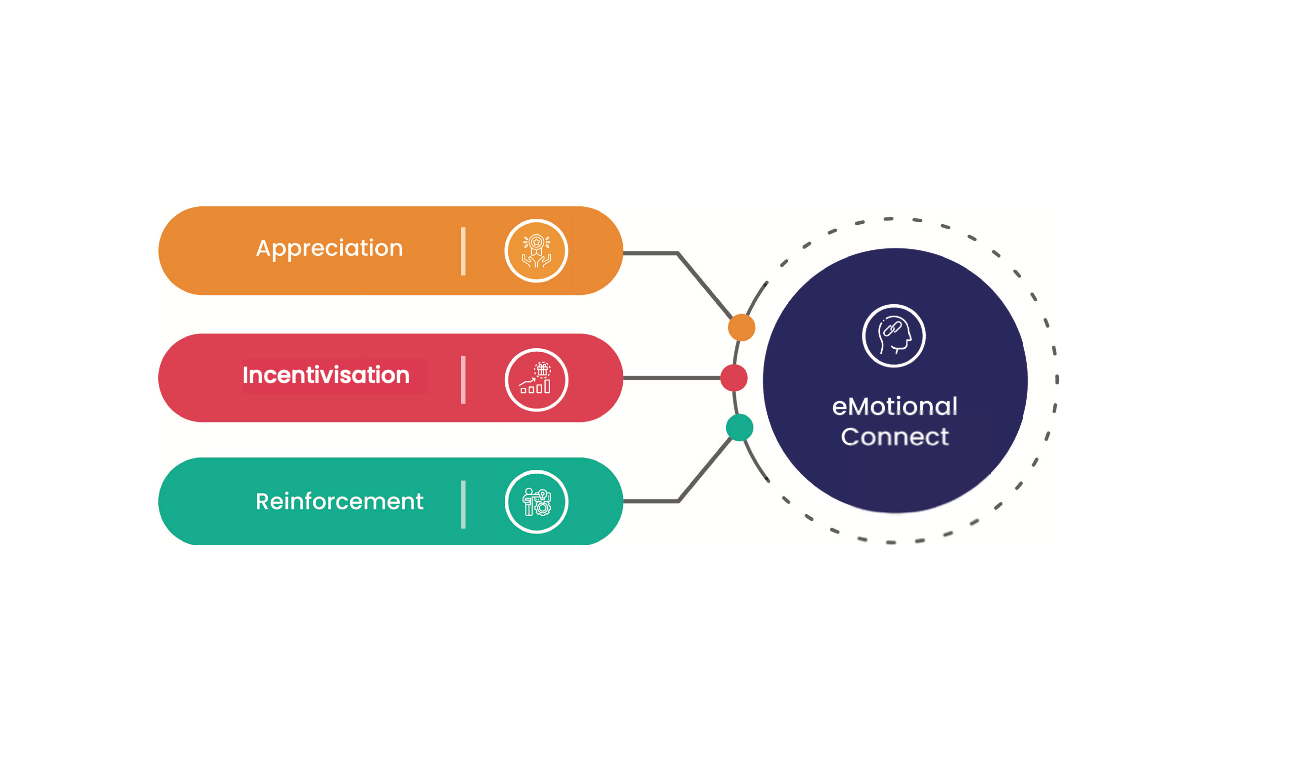
Redesign your program against the AIRe framework, Vantage Circle's proprietary methodology for recognition program design, which evaluates programs on four dimensions.
- Appreciation covers the quality of the recognition moment itself — how specific, timely, and inclusive it is. Vague praise, recognition that arrives late, and messages that feel automated are all Appreciation failures.
- Incentivization covers how rewards are structured and tied to the behaviors you want more of. Treating budget as strategy, offering rewards nobody wants, and using recognition as a substitute for fair pay are Incentivization failures.
- Reinforcement covers whether recognition happens consistently and stays aligned with company values over time. Launch-and-forget programs, recognition that's never measured, and praise disconnected from values are Reinforcement failures.
- Emotional Connect covers whether recognition builds genuine relationships and belonging. Manager-only recognition, appreciation that stays private, and forgotten remote and frontline employees are Emotional Connect failures.
The framework gives every improvement a clear place, making it easier to identify gaps and build a recognition program that actually works.
According to the Vantage Circle AIRe Report (US, 2023–24), recognition programs built on the AIRe framework led to significantly higher performance and retention rates.
Step 3: Keep the Momentum Going
Once you've updated your program, make sure employees know what's changed and why. Encourage leaders and managers to lead by example, celebrate recognition stories, and regularly remind employees to participate. Most importantly, keep listening. Recognition programs should evolve alongside your people, not stay frozen after the initial rollout.
The organizations with the strongest recognition cultures aren't the ones with the biggest budgets or the flashiest launches. They're the ones that consistently measure, improve, and reinforce recognition until it becomes part of everyday work.
Conclusion
Employee recognition should be more than just a checkbox. It should be a powerful driver of engagement, motivation, and success within your company.
The 25 mistakes above share one root cause: treating recognition as an initiative instead of a habit. You don't need to fix all of them at once. Start with the two or three you recognized in your own program, measure where you stand, and work through the fixes one dimension at a time.
The key is to empathize with the employees. Put yourself in their shoes and think about how you'd like your company to recognize you — then build a program that does exactly that, consistently.
Frequently Asked Questions (FAQ)
1. What's the single biggest mistake companies make with employee recognition?
The most common mistake is treating recognition as a one-time gesture rather than a continuous, strategic effort. Successful programs are consistent, timely, and aligned with company values and goals.
2. How do I know if my recognition program is failing?
Watch for the symptoms: participation drops after the launch period, the same few names win everything, recognition only happens around performance reviews, and reward points sit unredeemed. A short pulse survey asking employees whether they feel genuinely recognized will confirm what the data suggests.
3. How can we ensure our recognition program is fair to all employees?
Fairness starts with visibility and structure. Use data to track who’s being recognized, how often they are being recognized, and by whom. Train managers to recognize diverse contributions and avoid bias.
4. Is employee of the month a good idea?
Not as the core of your program. "Employee of the Month" creates one winner and many overlooked contributors, and it tends to miss team efforts and consistent performers. If you keep it, pair it with frequent peer-to-peer recognition and rotating categories so appreciation reaches more people.
5. What is the AIRe framework?
AIRe is Vantage Circle's methodology for designing and auditing recognition programs. It evaluates programs on four dimensions — Appreciation, Incentivization, Reinforcement, and Emotional Connect — so you can pinpoint exactly where a program is falling short and fix it systematically.

Shikha Gogoi is a Content Marketing Specialist focused on SEO-driven content around employee engagement, recognition, and workplace culture, helping build people-first workplaces.
Connect with Shikha on LinkedIn.